




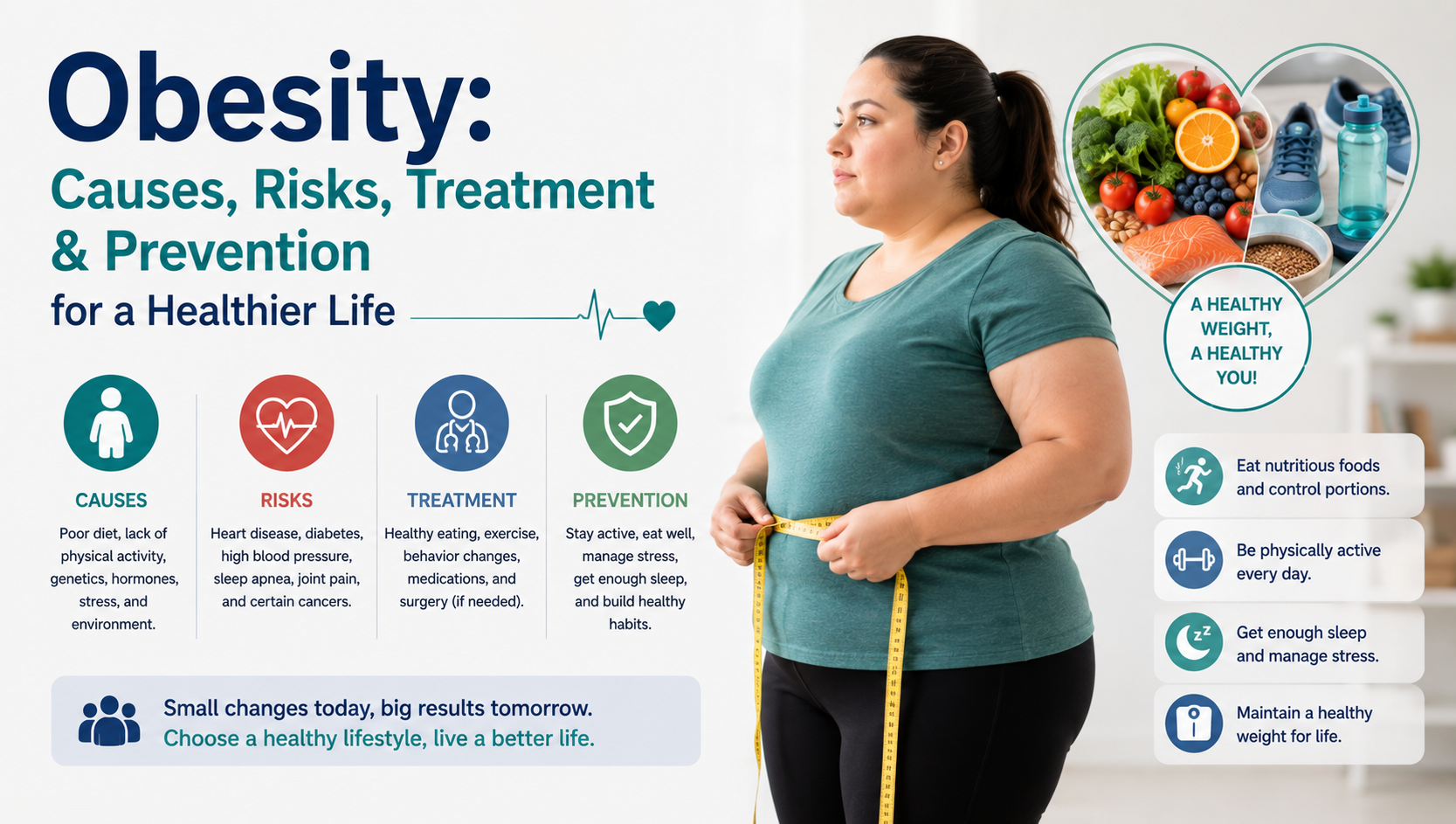
Obesity is more than just carrying extra weight — it’s a chronic medical condition defined by excessive body fat that can harm your health. While a few extra pounds may not be dangerous, obesity increases the risk of serious diseases like heart disease, type 2 diabetes, high blood pressure, certain cancers, and sleep apnea. In the United States alone, more than 40% of adults are affected.
One common way to identify obesity is through the Body Mass Index (BMI) — a calculation based on height and weight. A BMI of 30 or above generally indicates obesity. While BMI doesn’t directly measure body fat or account for muscle mass, it’s still a widely used screening tool. Waist circumference is another useful measure, as excess abdominal fat is linked to higher risks of cardiovascular disease and metabolic disorders.
What Causes Obesity?
Obesity typically develops when more calories are consumed than the body burns. However, it’s not just about overeating — it’s the result of a complex interaction between genetics, lifestyle, environment, and medical factors.
Key contributors include:
- Genetics: Certain genes can influence how the body stores fat and regulates appetite.
- Dietary habits: Frequent consumption of calorie-dense, processed foods and sugary drinks.
- Physical inactivity: Sedentary lifestyles with limited daily movement.
- Lack of sleep & stress: Both can alter hormones, increase appetite, and promote fat storage.
- Medical conditions & medications: Disorders like hypothyroidism, Cushing syndrome, PCOS, and drugs such as steroids, antidepressants, and beta-blockers can contribute.
Pregnancy, quitting smoking, and aging can also trigger weight gain if not managed with balanced diet and activity.
Health Risks and Complications
Obesity impacts nearly every system in the body. It can cause inflammation, disrupt hormones, and put mechanical strain on joints and organs. Over time, it may lead to:
- Cardiovascular diseases (heart attack, stroke, high blood pressure)
- Type 2 diabetes and insulin resistance
- Certain cancers (breast, colon, uterine, and more)
- Fatty liver disease and gallstones
- Sleep apnea and breathing difficulties
- Osteoarthritis, back pain, and mobility issues
- Fertility problems and pregnancy complications
- Cognitive decline and increased risk of dementia
Even a modest weight loss of 5–10% can significantly reduce these risks.
How Obesity is Diagnosed
Healthcare providers typically start with BMI and waist circumference, then assess overall health and lifestyle. Additional tests may include:
- Blood tests for cholesterol, glucose, and liver function
- Thyroid function tests
- Imaging or body composition scans
- Heart tests like an electrocardiogram (ECG)
Diagnosis also involves understanding your personal and family health history, eating patterns, activity levels, and mental well-being.
Treatment Options for Obesity
Managing obesity requires a tailored, long-term approach that addresses both physical and emotional aspects of health. Common strategies include:
Lifestyle Changes
- Adopting balanced eating plans like the Mediterranean or DASH diet.
- Increasing physical activity to 150–300 minutes per week.
- Reducing screen time and improving sleep quality.
- Seeking counseling or joining support groups to manage stress and emotional eating.
Medications
For some, prescription drugs such as orlistat, phentermine-topiramate, liraglutide, or semaglutide may help by suppressing appetite or reducing fat absorption. These are generally used alongside lifestyle changes.
Surgical Options
For individuals with severe obesity (often BMI ≥ 40 or ≥ 35 with health complications), bariatric surgery may be considered. Procedures like gastric bypass, gastric sleeve, and duodenal switch limit food intake and/or nutrient absorption, often resulting in substantial weight loss.
Prevention: The Best Approach
Preventing obesity is easier than reversing it. Small, sustainable changes can have a lasting impact:
- Choose nutrient-rich foods over processed snacks.
- Engage in regular physical activity.
- Manage stress and get adequate sleep.
- Limit high-calorie beverages and portion sizes.
- Encourage healthy habits from childhood to adulthood.
The Bottom Line
Obesity is a complex condition, but it’s not unmanageable. With the right combination of healthy eating, physical activity, medical guidance, and emotional support, it’s possible to lose weight, improve health, and reduce the risk of serious disease. The journey may be challenging, but every positive change counts toward a healthier, more active life.
