




Introduction
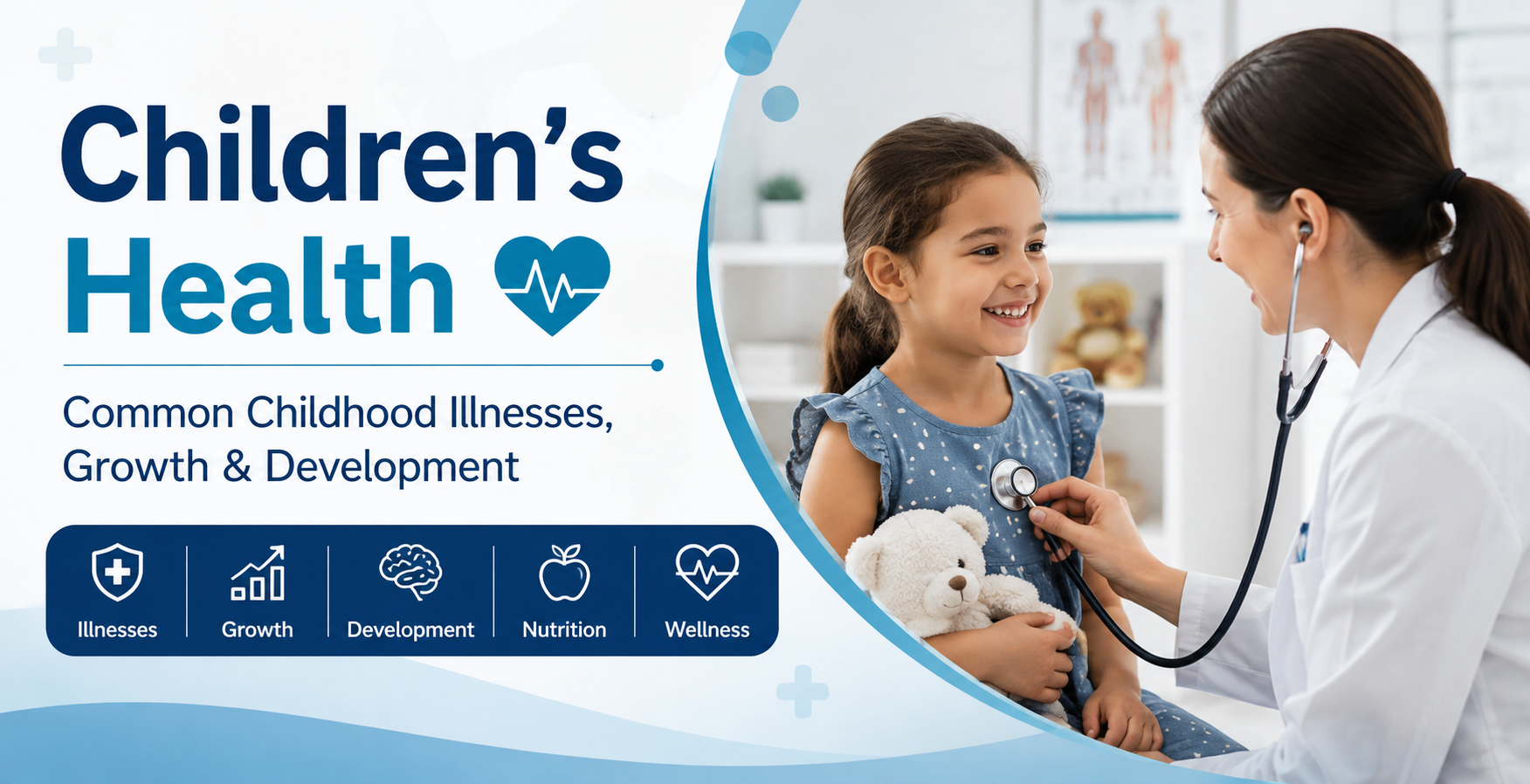
Children’s health is much more than treating illnesses when they occur. It encompasses every aspect of a child’s physical, mental, emotional, and social well-being from birth through adolescence. During childhood, the human body experiences remarkable changes. Bones lengthen, muscles strengthen, the brain forms millions of new neural connections, and the immune system gradually learns to recognize and fight countless viruses and bacteria. Every stage of childhood brings new opportunities for growth—and new challenges that parents and caregivers must navigate.
For many families, questions about children’s health begin almost immediately after birth. Is my baby growing at a healthy rate? Are these developmental milestones normal? How often should my child get sick? When is a fever a cause for concern? What foods support healthy growth? How much sleep does my child really need? These are among the most common concerns raised during pediatric visits, and understanding the answers helps parents make informed decisions that support lifelong health.
Healthy childhood development depends on a combination of genetics, nutrition, physical activity, emotional support, quality sleep, preventive healthcare, and a safe environment. While genetics influence a child’s potential, everyday habits often determine how fully that potential is reached. Proper nutrition fuels growing bodies, regular exercise strengthens muscles and bones, sleep allows the brain to process new information, and meaningful social interactions shape emotional resilience and communication skills.
Children also encounter many illnesses as their immune systems mature. In fact, it is perfectly normal for young children—especially those attending daycare or school—to experience several viral infections each year. Although most common childhood illnesses are mild and resolve without lasting problems, recognizing the difference between routine infections and symptoms that require medical attention is an important part of caring for a child.
Modern pediatric healthcare has dramatically improved childhood survival and quality of life. Vaccination programs have reduced or eliminated many once-devastating infectious diseases, advances in nutrition have lowered rates of childhood malnutrition, and regular developmental screening helps identify concerns early when intervention is most effective. Yet despite these advances, supporting a child’s overall well-being requires much more than preventing disease. It means creating healthy routines, encouraging learning, fostering emotional security, and helping children develop lifelong habits that protect both physical and mental health.
This comprehensive guide explores the foundations of children’s health, explains how growth and development occur throughout childhood, discusses the factors that influence healthy development, and provides practical information every parent, caregiver, and educator should know. Whether you’re caring for a newborn, raising an energetic toddler, or supporting a growing school-age child, understanding these essential principles can help you give your child the healthiest possible start in life.
Why Children’s Health Matters
Childhood is one of the most important periods in human life because it establishes the foundation for future health. Many of the habits, behaviors, and biological systems that determine adult health begin developing long before adulthood. Nutrition, physical activity, sleep quality, emotional security, and preventive healthcare during childhood all influence future risks of chronic diseases such as obesity, diabetes, heart disease, and mental health disorders.
The first few years of life are especially significant because the brain develops at an extraordinary pace. Scientists estimate that during early childhood, the brain forms more than one million new neural connections every second. These connections support learning, memory, emotional regulation, language, and problem-solving abilities. Positive experiences—including responsive caregiving, safe environments, healthy nutrition, and opportunities for play—strengthen these connections and support lifelong development.
Children’s physical health is equally dynamic. Bones grow rapidly, muscles become stronger, organs mature, and the immune system gradually learns to recognize harmful microorganisms while developing protection against future infections. Because children’s bodies are constantly changing, routine health assessments allow healthcare providers to monitor whether growth follows expected patterns and whether developmental milestones are being reached appropriately.
Preventive pediatric care extends beyond measuring height and weight. Regular well-child visits provide opportunities to assess hearing, vision, language, motor skills, emotional well-being, nutrition, and vaccination status. These appointments also allow parents to discuss concerns before they become more serious problems. Detecting developmental delays or health conditions early often leads to better outcomes and more effective treatment.
Children’s health also has a profound influence on education. Healthy children generally attend school more consistently, concentrate better in class, participate more actively in learning, and develop stronger social relationships. Conversely, untreated medical conditions, poor nutrition, inadequate sleep, or chronic stress can interfere with learning, behavior, and academic performance.
Perhaps most importantly, childhood is when lifelong habits begin. Daily routines involving nutritious meals, regular physical activity, proper hygiene, healthy sleep schedules, and emotional communication often continue into adulthood. Helping children develop these habits early provides benefits that extend well beyond childhood itself.
Understanding Growth and Development
Although the terms “growth” and “development” are often used together, they describe different aspects of childhood.
Growth refers to measurable physical changes, including increases in height, weight, body size, and the development of organs and body systems. Pediatric healthcare providers monitor these changes using standardized growth charts that compare a child’s measurements with those of other children of the same age and sex. Growth does not occur at a constant rate. Babies grow extremely rapidly during their first year, growth slows during early childhood, and then accelerates again during puberty.
Development, on the other hand, describes how children acquire new skills and abilities. This includes learning to roll over, walk, talk, solve problems, manage emotions, interact with others, and become increasingly independent. Development occurs across several interconnected domains, including physical, cognitive, language, emotional, and social development.
Every child develops at their own unique pace. Some children begin walking before their first birthday, while others may not take independent steps until several months later. Likewise, language skills, social confidence, and emotional maturity vary widely among healthy children. These natural variations are usually normal and reflect individual differences rather than health problems.
Healthcare providers use developmental milestones as helpful guides rather than strict deadlines. Milestones represent skills that most children achieve within a particular age range. Missing a single milestone does not necessarily indicate a developmental disorder, but consistent delays across multiple areas may warrant further evaluation.
Development is influenced by a combination of genetics and environment. While inherited characteristics determine many aspects of growth potential, environmental factors—including nutrition, physical activity, emotional support, education, healthcare, and opportunities for exploration—play equally important roles. Children thrive when they have safe, stimulating environments that encourage curiosity, creativity, movement, and social interaction.
Parents often wonder whether they should compare their child’s development with that of siblings or friends. In most cases, comparisons are unnecessary and may create unnecessary anxiety. Instead, healthcare professionals focus on whether a child continues making steady progress over time rather than reaching every milestone on exactly the same schedule as others.
Physical Growth Throughout Childhood
Physical growth is one of the most visible indicators of a child’s overall health. From the moment a baby is born, the body begins an extraordinary journey of change that continues through adolescence. During infancy, growth is remarkably rapid. Most babies double their birth weight by around five months of age and triple it by their first birthday. Height also increases dramatically during the first year, reflecting the intense pace of development taking place throughout the body.
As children move into the toddler years, growth becomes steadier but remains significant. Bones lengthen, muscles strengthen, and coordination improves as children learn to walk, run, climb, and explore their surroundings. These physical achievements are closely linked to neurological development, as the brain and nervous system become better able to coordinate movement and balance.
School-age children generally experience slower, more consistent growth. During these years, nutrition and physical activity play especially important roles in supporting healthy bone development, muscle strength, and cardiovascular fitness. Adequate intake of protein, calcium, vitamin D, iron, and other essential nutrients provides the building blocks necessary for healthy growth.
Puberty introduces another period of rapid physical change. Hormonal shifts trigger growth spurts, changes in body composition, and the development of secondary sexual characteristics. Although the timing of puberty varies considerably between individuals, these changes represent a normal part of healthy development.
Healthcare providers routinely monitor height, weight, body mass index (BMI), and growth velocity during pediatric visits. Rather than focusing solely on individual measurements, they examine growth trends over time. A child who consistently follows their own growth curve is often healthier than one whose measurements fluctuate dramatically, even if both children fall within normal ranges.
While genetics strongly influence adult height and body type, environmental factors remain important throughout childhood. Balanced nutrition, sufficient sleep, regular exercise, and timely medical care all contribute to helping children reach their full growth potential.
Brain, Cognitive and Language Development
A child’s brain develops more rapidly during the first few years of life than at any other stage. This extraordinary period of growth lays the foundation for thinking, learning, communication, memory, emotional regulation, and problem-solving throughout life.
From birth, babies begin learning through every interaction with the world around them. They recognize familiar voices, respond to facial expressions, and gradually learn that their actions produce predictable outcomes. These early experiences strengthen neural pathways that support future learning.
Language development begins long before children speak their first words. Infants communicate through crying, eye contact, facial expressions, and babbling. As they grow, they begin understanding spoken language before developing the ability to express themselves verbally. Reading aloud, singing songs, talking throughout daily activities, and responding to children’s attempts at communication all support healthy language development.
Cognitive development also accelerates during the preschool years. Children become increasingly curious, asking endless questions as they seek to understand how the world works. Through play, they develop imagination, creativity, memory, attention, and reasoning skills. Simple activities such as building blocks, puzzles, drawing, storytelling, and pretend play stimulate important areas of brain development while making learning enjoyable.
School-age children continue expanding their cognitive abilities as they develop logical thinking, improved concentration, and more advanced problem-solving skills. Academic learning builds upon the neurological foundations established during early childhood, making early developmental support especially valuable.
Research consistently shows that positive interactions with caring adults remain among the strongest influences on brain development. Warm relationships, responsive communication, opportunities for exploration, and a secure home environment all contribute to healthy cognitive growth.
Emotional and Social Development
While physical growth is easy to observe, emotional and social development is equally essential for a child’s long-term well-being. From infancy onward, children gradually learn how to understand their emotions, form relationships, communicate with others, and develop confidence in themselves and the world around them.
Emotional development begins with secure attachment. Babies who consistently receive comfort, affection, and responsive care learn that their environment is safe and predictable. This sense of security forms the basis for healthy self-esteem, emotional regulation, and resilience later in life. As children grow, they gradually become more capable of recognizing and expressing a wider range of emotions while learning appropriate ways to cope with disappointment, frustration, excitement, and fear.
Social development evolves alongside emotional growth. Toddlers initially engage in parallel play, where they play beside rather than directly with other children. Over time, they begin sharing, cooperating, negotiating, and forming friendships. By school age, peer relationships become increasingly important as children learn teamwork, empathy, communication, and conflict resolution.
Parents and caregivers play a central role throughout this process. Children learn emotional responses by observing the adults around them. Calm communication, consistent routines, positive reinforcement, and opportunities to discuss feelings all contribute to healthy emotional development. Likewise, spending quality time together through reading, family meals, outdoor activities, and conversation strengthens relationships while helping children develop trust and confidence.
Modern childhood also presents new challenges. Increased screen time, social media exposure among older children, academic pressures, and changing family dynamics can all influence emotional well-being. Encouraging open communication, maintaining healthy routines, and balancing technology with face-to-face interaction help children build resilience and strong social skills.
Understanding how children grow physically, intellectually, emotionally, and socially provides the foundation for recognizing what supports healthy development. Equally important is knowing how everyday illnesses, nutrition, sleep, and preventive healthcare influence a child’s overall well-being—topics explored in the next sections of this guide.
Common Childhood Illnesses Every Parent Should Know
Experiencing illness is a normal part of childhood. As a child’s immune system develops, exposure to viruses and bacteria helps build natural defenses against future infections. It is common for young children, particularly those attending daycare or school, to develop several respiratory or gastrointestinal infections each year. Although seeing a child become ill can be worrying for parents, most childhood illnesses are mild, self-limiting, and improve with supportive care at home. Understanding the symptoms, causes, and warning signs of common childhood illnesses can help parents provide appropriate care while recognizing when professional medical attention is needed.
Common Cold
The common cold is the most frequent illness affecting children and one of the leading reasons for pediatric healthcare visits. Rather than being caused by a single virus, the common cold can result from hundreds of different viruses, with rhinoviruses being the most common.
Symptoms usually begin gradually and include a runny or blocked nose, sneezing, sore throat, mild cough, watery eyes, headache, and a low-grade fever. Younger children may become fussier than usual, eat less, or have difficulty sleeping because of nasal congestion. While these symptoms can be uncomfortable, the common cold is generally harmless and most children recover within seven to ten days.
Treatment focuses on relieving symptoms rather than curing the infection, since antibiotics are ineffective against viruses. Encouraging your child to drink plenty of fluids, allowing adequate rest, using saline nasal drops for congestion, and maintaining a comfortable room temperature can help them recover more comfortably. Honey may help relieve coughs in children over one year of age, but it should never be given to infants due to the risk of infant botulism.
Parents should seek medical advice if a child develops difficulty breathing, a fever lasting several days, severe ear pain, persistent vomiting, unusual drowsiness, signs of dehydration, or symptoms that worsen instead of improving after a week.
Influenza (Flu)
Although influenza may initially resemble a common cold, it is generally a more serious viral infection that tends to appear suddenly. Seasonal influenza spreads rapidly during the colder months and can affect children of all ages.
Unlike the gradual onset of a cold, influenza often begins abruptly with a high fever, chills, headache, muscle aches, fatigue, sore throat, and a persistent dry cough. Children frequently lose their appetite and may appear unusually tired or sleepy. Some younger children also develop vomiting or diarrhea alongside respiratory symptoms.
Most healthy children recover within one to two weeks with rest, hydration, and medications to reduce fever or discomfort when appropriate. However, influenza can sometimes lead to complications such as pneumonia, dehydration, or worsening of underlying conditions like asthma.
Parents should contact a healthcare provider promptly if a child has difficulty breathing, persistent high fever, confusion, severe dehydration, chest pain, seizures, or if symptoms improve before suddenly becoming worse again. Annual influenza vaccination remains one of the most effective ways to reduce the risk of severe illness and hospitalization.
Ear Infections
Ear infections are particularly common in infants and young children because the tubes connecting the middle ear to the throat are shorter and more easily blocked than in adults. Viral infections often lead to inflammation that allows bacteria to grow inside the middle ear.
Children with ear infections commonly experience ear pain, pulling or rubbing at the ears, fever, irritability, poor sleep, reduced hearing, or drainage from the ear. Babies who cannot communicate discomfort may simply cry more than usual or refuse feeds.
Many ear infections improve without antibiotics, especially those caused primarily by viruses. Keeping children comfortable with age-appropriate pain relief, ensuring adequate hydration, and allowing time for recovery are often sufficient. Healthcare providers determine whether antibiotics are necessary based on the child’s age, symptoms, and severity of the infection.
Medical evaluation is recommended if ear pain is severe, symptoms persist beyond two or three days, fluid drains from the ear, or hearing difficulties continue after the infection has resolved.
Sore Throat
A sore throat is another common reason children visit their healthcare provider. Most sore throats result from viral infections such as the common cold or influenza. In these cases, symptoms often improve within a week without antibiotics.
Some sore throats, however, are caused by bacteria—particularly Group A Streptococcus, commonly known as strep throat. Children with bacterial infections usually develop a sudden sore throat, fever, swollen glands in the neck, painful swallowing, and sometimes white patches on the tonsils.
Supportive care includes encouraging fluids, warm drinks, soft foods, and appropriate pain relief. Because antibiotics only work against bacterial infections, they should not be used unless a healthcare provider confirms strep throat or another bacterial cause.
Parents should seek medical assessment if a child has difficulty swallowing saliva, trouble breathing, persistent high fever, severe throat pain, or symptoms lasting longer than expected.
Gastroenteritis (Stomach Flu)
Gastroenteritis is an infection of the stomach and intestines that causes vomiting, diarrhea, abdominal pain, and sometimes fever. Despite often being called the “stomach flu,” it is unrelated to influenza and is most commonly caused by viruses such as norovirus or rotavirus.
Children usually become ill suddenly and may experience frequent vomiting followed by diarrhea lasting several days. The greatest concern is dehydration, particularly in infants and younger children who lose fluids quickly.
The most important treatment is replacing lost fluids. Small, frequent sips of oral rehydration solution are generally more effective than large amounts of water alone. Children should gradually return to their normal diet as tolerated while avoiding sugary drinks that may worsen diarrhea.
Medical attention should be sought if a child becomes unusually sleepy, refuses fluids, produces very little urine, has blood in the stool, experiences persistent vomiting, or develops severe abdominal pain.
Hand, Foot and Mouth Disease
Hand, foot and mouth disease is a common viral illness that mainly affects infants and children younger than five years. Despite its name, it has no connection with foot-and-mouth disease seen in animals.
The illness often begins with a mild fever, sore throat, and reduced appetite. Within a day or two, painful sores develop inside the mouth, followed by a rash on the hands, feet, and sometimes the buttocks or legs. The rash may appear as flat red spots or small blisters.
Although uncomfortable, hand, foot and mouth disease usually resolves on its own within seven to ten days. Encouraging fluids, offering soft foods, and using appropriate pain relief can help children remain comfortable while recovering.
Parents should contact a healthcare provider if mouth pain prevents drinking, signs of dehydration develop, symptoms last longer than expected, or the child appears unusually ill.
Chickenpox
Chickenpox is a highly contagious viral infection caused by the varicella-zoster virus. Thanks to routine vaccination, it is far less common than it once was, but outbreaks can still occur among unvaccinated children.
Symptoms usually begin with fever, tiredness, and loss of appetite before the characteristic itchy rash develops. The rash progresses from small red spots to fluid-filled blisters that eventually crust over. New blisters continue appearing for several days, meaning children often have spots, blisters, and scabs simultaneously.
Most children recover completely within one to two weeks. Keeping fingernails short, using soothing lotions or oatmeal baths, and avoiding scratching help reduce discomfort and lower the risk of skin infections.
Children should be assessed by a healthcare provider if the rash involves the eyes, breathing difficulties develop, fever remains high for several days, or signs of bacterial skin infection such as increasing redness, swelling, or pus appear.
Conjunctivitis (Pink Eye)
Conjunctivitis, commonly known as pink eye, refers to inflammation of the conjunctiva—the thin membrane covering the white part of the eye and inner eyelids. Viral infections are the most common cause, although bacteria and allergies may also trigger conjunctivitis.
Affected children often have red eyes, watery or sticky discharge, itching, and mild discomfort. Viral conjunctivitis usually affects both eyes and may accompany a cold, while bacterial conjunctivitis often causes thicker yellow or green discharge.
Most viral cases improve without specific treatment, whereas bacterial infections may require antibiotic eye drops. Good hand hygiene and avoiding sharing towels or pillows help prevent spread within families and schools.
Medical evaluation is necessary if eye pain is severe, vision becomes blurred, swelling around the eye worsens, or symptoms fail to improve after several days.
Allergies
Unlike infections, allergies occur when the immune system overreacts to normally harmless substances such as pollen, dust mites, pet dander, certain foods, or insect stings. Childhood allergies have become increasingly common worldwide and can significantly affect daily life.
Seasonal allergies often cause sneezing, itchy eyes, runny nose, and nasal congestion. Food allergies may produce hives, swelling, vomiting, or abdominal pain shortly after eating specific foods. Some allergic reactions become severe and progress rapidly, causing breathing difficulty, widespread swelling, or anaphylaxis—a medical emergency requiring immediate treatment.
Managing allergies begins with identifying triggers and minimizing exposure whenever possible. Antihistamines and other medications may help control symptoms, while children with severe allergies may require emergency adrenaline (epinephrine) auto-injectors.
Parents should seek urgent medical care immediately if a child develops swelling of the lips or tongue, difficulty breathing, wheezing, dizziness, or loss of consciousness following exposure to a possible allergen.
Asthma
Asthma is one of the most common chronic conditions affecting children. It causes inflammation and narrowing of the airways, making breathing more difficult. Although asthma cannot be cured, it can usually be managed very effectively with appropriate treatment and avoidance of triggers.
Children with asthma may experience recurrent coughing, wheezing, chest tightness, or shortness of breath, particularly during exercise, viral infections, exposure to allergens, or cold weather. Symptoms often vary from day to day and may worsen at night.
Treatment typically involves quick-relief inhalers for sudden symptoms and preventive medications for children with frequent attacks. Parents should work closely with their child’s healthcare provider to develop an asthma action plan that explains how to recognize worsening symptoms and when to adjust treatment.
Emergency medical attention is needed if a child struggles to speak because of breathlessness, has blue lips or fingernails, breathes very rapidly, or does not improve after using their rescue inhaler.
Nutrition for Healthy Growth
Nutrition is one of the most powerful influences on children’s health. Every meal provides the nutrients needed to build bones, strengthen muscles, support the immune system, and fuel the rapidly developing brain. During childhood, nutritional needs change quickly as growth accelerates, making balanced eating patterns more important than focusing on individual “superfoods.”
A healthy diet should include a wide variety of fruits, vegetables, whole grains, lean proteins, dairy products or fortified alternatives, and healthy fats. Offering children different foods from an early age encourages acceptance of new flavors while helping ensure they receive a broad range of vitamins and minerals.
Protein is essential because it provides the building blocks for growing muscles, organs, hormones, and immune cells. Good sources include poultry, fish, eggs, beans, lentils, dairy products, tofu, and nuts for children who are old enough and do not have allergies.
Healthy fats also play a critical role, particularly during the first years of life when the brain develops rapidly. Foods containing unsaturated fats—such as oily fish, avocados, seeds, and olive oil—support brain function and help absorb important vitamins.
Several nutrients deserve particular attention throughout childhood. Calcium and vitamin D work together to build strong bones and teeth, while iron supports healthy blood cells and normal brain development. Iron deficiency remains one of the most common nutritional problems worldwide and can affect learning, concentration, and energy levels if left untreated.
Hydration is equally important. Children become dehydrated more quickly than adults, especially during illness, hot weather, or vigorous physical activity. Water should remain the primary drink throughout the day, while sugary beverages should be limited because they contribute unnecessary calories and increase the risk of dental cavities.
Healthy eating habits extend beyond food choices themselves. Eating regular family meals, encouraging children to recognize hunger and fullness cues, limiting distractions during meals, and avoiding using food as a reward all help build positive relationships with eating that can last a lifetime.
Sleep and Healthy Development
Sleep is often overlooked as a cornerstone of children’s health, yet it is one of the most important contributors to healthy growth, learning, emotional well-being, and immune function. During sleep, the body releases growth hormone, repairs tissues, strengthens immune defenses, and consolidates memories formed during the day. Children who consistently get enough high-quality sleep are generally better able to learn, regulate their emotions, and maintain healthy physical development.
Sleep needs vary by age. Infants typically require between 12 and 16 hours of sleep over a 24-hour period, including naps. Toddlers usually need 11 to 14 hours, preschool-aged children benefit from 10 to 13 hours, school-aged children require about 9 to 12 hours, and teenagers generally need 8 to 10 hours each night. Individual needs vary, but regularly getting less sleep than recommended can affect mood, behavior, concentration, immune function, and even physical growth.
Establishing healthy sleep habits begins with a consistent bedtime routine. Quiet activities such as reading together, taking a warm bath, or listening to calming music help children transition from busy daytime activities to restful sleep. Bedrooms should be cool, quiet, and free from unnecessary distractions, particularly electronic devices that emit blue light and may interfere with the body’s natural sleep cycle.
Parents should also encourage regular physical activity during the day while avoiding large meals, caffeine-containing drinks, or stimulating screen time shortly before bedtime. These simple routines can significantly improve sleep quality and overall well-being.
As children grow, sleep continues to influence nearly every aspect of their health—from their ability to fight infections to their performance at school and emotional resilience. Alongside good nutrition and adequate rest, preventive healthcare plays an equally important role in helping children thrive throughout every stage of development.
Vaccinations and Preventive Healthcare
Preventive healthcare is the foundation of lifelong wellness. While treating illness is important, preventing disease before it develops is even more valuable. Throughout childhood, routine vaccinations, regular medical checkups, developmental screenings, dental care, and healthy daily habits work together to keep children healthy and identify potential concerns before they become serious.
Modern pediatric care focuses not only on treating sickness but also on promoting healthy physical, emotional, cognitive, and social development. By following recommended preventive care schedules, parents can help their children build strong immune systems, develop healthy lifestyles, and reduce the risk of many preventable diseases.
Routine Childhood Immunizations
Vaccination is one of the greatest achievements in modern medicine. Millions of serious illnesses and deaths have been prevented worldwide through routine childhood immunization programs.
Vaccines train the immune system to recognize dangerous viruses and bacteria without causing the disease itself. If a child is later exposed to the real infection, the immune system can respond rapidly, often preventing illness entirely or greatly reducing its severity.
Routine childhood vaccines protect against diseases including:
- Measles
- Mumps
- Rubella
- Chickenpox
- Whooping cough (Pertussis)
- Diphtheria
- Tetanus
- Polio
- Hepatitis B
- Haemophilus influenzae type b (Hib)
- Pneumococcal disease
- Rotavirus
- Influenza
- Human papillomavirus (HPV)
- Meningococcal disease
Vaccination not only protects individual children but also helps safeguard babies, elderly adults, and people with weakened immune systems through community immunity. While mild side effects such as soreness at the injection site or a low-grade fever are relatively common, serious adverse reactions are extremely rare compared with the potentially life-threatening diseases vaccines prevent.
Parents who have questions about vaccine schedules or safety should discuss them with their pediatric healthcare provider, who can provide evidence-based guidance tailored to their child’s needs.
Regular Pediatric Checkups
Children grow rapidly, especially during infancy and early childhood. Regular well-child visits allow healthcare providers to monitor growth, development, nutrition, behavior, and overall health before problems become more difficult to manage.
During these appointments, providers typically measure height, weight, and head circumference in younger children, assess developmental milestones, review nutrition and sleep habits, discuss safety concerns, administer recommended vaccines, and answer parents’ questions.
These visits are also valuable because many health conditions—such as hearing problems, vision impairment, developmental delays, heart murmurs, or growth disorders—may be detected before obvious symptoms appear.
Preventive visits create an ongoing partnership between families and healthcare professionals, ensuring that children receive appropriate guidance throughout every stage of development.
Preventive Screenings
Preventive screenings help identify medical conditions early, often before they begin affecting a child’s health or learning.
Depending on a child’s age and risk factors, screening may include:
- Growth and nutrition assessments
- Developmental milestone evaluations
- Autism screening
- Blood pressure measurement
- Anemia screening
- Lead exposure testing where appropriate
- Cholesterol screening for selected children
- Mental and behavioral health assessments
Early detection often allows treatment to begin before complications develop, improving long-term outcomes.
Dental Care
Healthy teeth are essential for eating, speaking, confidence, and proper jaw development. Tooth decay remains one of the most common chronic diseases of childhood despite being largely preventable.
Dental care should begin earlier than many parents realize. Even before the first tooth appears, gently cleaning a baby’s gums helps establish healthy habits. Once teeth erupt, brushing twice daily with fluoride toothpaste becomes an important part of the daily routine.
Children should visit a dentist around their first birthday or within six months after the first tooth appears. Regular dental examinations allow early treatment of cavities, monitoring of jaw development, and education about oral hygiene.
Limiting sugary drinks and snacks while encouraging water between meals significantly reduces the risk of tooth decay.
Vision and Hearing Checks
Good vision and hearing are critical for learning, language development, and social interaction.
Children often cannot recognize that they have vision or hearing problems because they assume everyone experiences the world the same way they do. Routine screening can detect issues long before they interfere with education or development.
Vision problems may include:
- Nearsightedness
- Farsightedness
- Astigmatism
- Lazy eye (amblyopia)
Hearing assessments may identify hearing loss resulting from congenital conditions, recurrent ear infections, or other medical problems.
Prompt diagnosis allows early treatment, which greatly improves educational and developmental outcomes.
Hand Hygiene and Infection Prevention
One of the simplest ways to protect children’s health is teaching effective handwashing.
Children should wash their hands:
- Before eating
- After using the bathroom
- After coughing or sneezing
- After playing outside
- After touching animals
- Whenever hands are visibly dirty
Handwashing with soap and water for at least 20 seconds removes germs that cause many common childhood infections.
Parents can further reduce infection risk by teaching children to cover coughs and sneezes, avoid sharing drinking bottles or utensils, stay home when seriously ill, and maintain good respiratory hygiene.
Building Healthy Daily Habits
Healthy routines established during childhood often continue into adulthood.
Simple daily habits can have lifelong health benefits, including eating nutritious meals, maintaining regular physical activity, sleeping adequately, limiting sugary beverages, practicing good oral hygiene, spending time outdoors, and developing healthy relationships with technology.
These everyday choices collectively reduce the risk of obesity, diabetes, cardiovascular disease, anxiety, depression, and many other chronic health conditions later in life.
Physical Activity and Healthy Lifestyle
Children are naturally active, and regular movement plays a central role in healthy growth and development. Exercise strengthens muscles and bones, improves heart and lung function, enhances balance and coordination, supports healthy weight management, and contributes to better mental health.
Physical activity also stimulates brain development. Research consistently shows that active children often demonstrate improved concentration, memory, classroom performance, and emotional regulation.
Experts generally recommend that school-aged children participate in at least 60 minutes of moderate to vigorous physical activity each day. This does not necessarily require organized sports. Running, cycling, swimming, dancing, climbing, playground activities, and active family outings all contribute to healthy development.
Parents can encourage lifelong fitness by making exercise enjoyable rather than viewing it as a chore. Family walks, weekend hikes, games in the park, and limiting sedentary screen time all help children remain active while strengthening family relationships.
Mental Health in Children
Mental health is just as important as physical health. Children’s emotional wellbeing influences how they learn, build friendships, solve problems, manage stress, and develop confidence.
Every child experiences occasional sadness, frustration, or worry. These emotions are part of normal development. However, persistent emotional difficulties may interfere with school, family life, sleep, or social relationships and deserve professional attention.
Emotional Wellbeing
Children thrive when they feel safe, loved, respected, and supported. Positive emotional health develops through secure relationships, consistent routines, opportunities to play, and encouragement to express feelings openly.
Parents can foster emotional wellbeing by listening carefully, validating emotions without judgment, praising effort rather than perfection, and maintaining predictable daily routines.
Stress
Children experience stress just as adults do. School demands, family changes, bullying, illness, social pressures, or major life events can all contribute.
Some stress helps children build resilience, but prolonged stress may affect sleep, appetite, behavior, and learning.
Helping children develop healthy coping skills—including talking openly, exercising, maintaining routines, and practicing relaxation techniques—can reduce the impact of stress.
Anxiety
Childhood anxiety is common and often appears differently than adult anxiety.
Children may complain of stomach aches, headaches, difficulty sleeping, excessive worrying, clinginess, school avoidance, or fear of everyday situations.
When anxiety begins interfering with normal activities, professional evaluation may be beneficial. Early support often prevents symptoms from becoming more severe.
Depression
Depression affects children as well as adults.
Instead of appearing sad all the time, children with depression may become irritable, withdrawn, lose interest in favorite activities, struggle academically, experience changes in appetite or sleep, or express feelings of worthlessness.
Persistent symptoms lasting several weeks should be discussed with a healthcare professional.
Screen Time
Digital technology offers educational opportunities but excessive screen use may interfere with sleep, physical activity, attention, and social development.
Parents should encourage a healthy balance by creating screen-free family time, limiting recreational screen use before bedtime, monitoring online activities, and promoting outdoor play and face-to-face interaction.
Children learn healthy digital habits primarily by observing the adults around them.
Building Resilience
Resilience is the ability to recover from setbacks and adapt to challenges.
Children develop resilience when they are encouraged to solve problems independently, learn from mistakes, build supportive friendships, and experience consistent encouragement from caring adults.
Rather than protecting children from every disappointment, parents can help them develop confidence by teaching coping skills and celebrating perseverance.
Healthy Family Relationships
Strong family relationships provide the emotional foundation for lifelong health.
Simple routines—such as eating meals together, reading before bedtime, spending quality time without electronic distractions, and maintaining open communication—strengthen emotional security and improve children’s overall wellbeing.
Children who feel emotionally connected to their families are generally more confident, perform better academically, and cope more effectively with life’s challenges.
Warning Signs Parents Should Never Ignore
Most childhood illnesses are mild, but some symptoms require immediate medical attention because they may indicate a serious underlying condition.
Parents should seek urgent medical care if a child experiences difficulty breathing, blue lips or skin, seizures, persistent confusion, loss of consciousness, severe dehydration, repeated vomiting with inability to keep fluids down, high fever in a very young infant, severe headache accompanied by neck stiffness, persistent chest pain, rapidly spreading rash, significant allergic reactions involving swelling of the face or difficulty breathing, uncontrolled bleeding, severe abdominal pain, or sudden weakness affecting the face or limbs.
Trusting parental instincts is important. If a child appears unusually ill, difficult to wake, or significantly different from their normal behavior, prompt medical evaluation is appropriate even if the exact cause is unclear.
Frequently Asked Questions
1. What are the most common childhood illnesses?
Common childhood illnesses include the common cold, influenza, ear infections, sore throat, gastroenteritis, asthma, allergies, chickenpox, conjunctivitis, and hand, foot and mouth disease.
2. How often should children have routine health checkups?
Children should attend regular well-child visits according to their pediatric healthcare provider’s schedule, especially during infancy and early childhood when growth and development occur rapidly.
3. What foods help children grow properly?
A balanced diet containing fruits, vegetables, whole grains, lean protein, dairy or fortified alternatives, healthy fats, and adequate vitamins and minerals supports normal growth and development.
4. How much sleep does a child need?
Sleep requirements vary by age. Infants need the most sleep, while school-aged children generally require 9–12 hours each night and teenagers need approximately 8–10 hours.
5. Why are childhood vaccines important?
Vaccines protect children against potentially serious infectious diseases and help reduce disease spread within the community.
6. How much exercise should children get?
Most school-aged children should participate in at least 60 minutes of moderate to vigorous physical activity every day.
7. How can parents strengthen their child’s immune system?
Healthy nutrition, adequate sleep, regular exercise, routine vaccinations, good hygiene, stress management, and regular medical care all support a healthy immune system.
8. When should parents worry about a fever?
Medical advice should be sought for fever in young infants, persistent high fever, fever accompanied by breathing difficulty, seizures, severe lethargy, dehydration, or other concerning symptoms.
9. How much screen time is appropriate for children?
Screen time recommendations vary by age, but children benefit most when recreational screen use is balanced with sleep, physical activity, outdoor play, reading, and family interaction.
10. When should parents take a child to the emergency department?
Emergency care is appropriate for severe breathing problems, seizures, loss of consciousness, severe allergic reactions, blue lips, significant dehydration, or any rapidly worsening condition.
Key Takeaways
Children’s health extends far beyond treating illnesses when they occur. It begins with providing a safe environment, balanced nutrition, quality sleep, regular physical activity, emotional support, preventive healthcare, and routine medical checkups throughout every stage of development.
Although childhood illnesses are common, most are mild and resolve with appropriate home care and guidance from healthcare professionals when needed. Learning to recognize early symptoms, understanding warning signs, and staying current with recommended vaccinations can dramatically reduce the risk of serious complications.
Healthy growth involves much more than gaining height and weight. It includes brain development, emotional wellbeing, strong social relationships, healthy habits, and opportunities for children to learn, explore, and thrive. By encouraging positive routines from an early age, parents lay the foundation for lifelong physical and mental health.
Every child develops at their own pace, but regular pediatric assessments ensure that growth and developmental milestones are progressing appropriately while allowing concerns to be addressed early. Preventive healthcare remains one of the most valuable investments families can make in their children’s future.
Whether you are caring for a newborn, a curious toddler, an energetic school-aged child, or a growing teenager, staying informed and maintaining an ongoing partnership with trusted healthcare professionals will help your child enjoy the healthiest possible start in life.
