






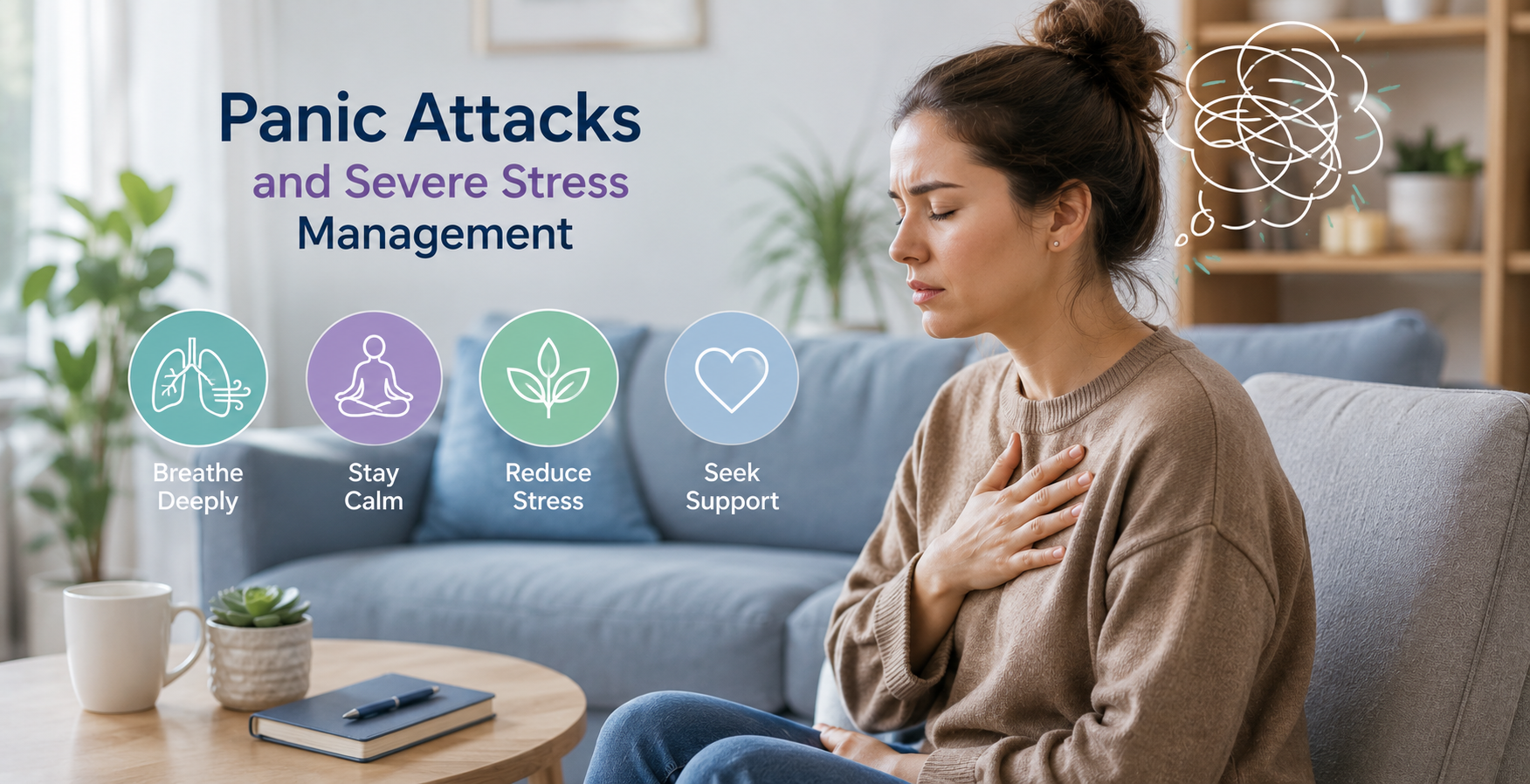
Feeling overwhelmed by stress is something almost everyone experiences from time to time. Deadlines, financial concerns, health problems, family responsibilities, and unexpected life events can all place tremendous demands on both the mind and body. While stress itself is a normal physiological response, prolonged or overwhelming stress can sometimes trigger panic attacks—sudden episodes of intense fear accompanied by alarming physical symptoms that often make people believe they are experiencing a life-threatening emergency.
Panic attacks can be frightening, especially the first time they occur. Many people visit emergency departments convinced they are having a heart attack because the symptoms can include chest pain, rapid heartbeat, dizziness, and shortness of breath. Although panic attacks themselves are not life-threatening, they can significantly affect quality of life and may signal an underlying anxiety disorder that deserves proper evaluation and treatment.
Understanding the relationship between severe stress and panic attacks is the first step toward recovery. With the right combination of education, healthy coping strategies, professional support, and, when appropriate, medical treatment, most people experience substantial improvement.
What Is a Panic Attack?
A panic attack is a sudden surge of intense fear or discomfort that reaches its peak within minutes. During an attack, the body’s “fight-or-flight” response becomes activated even though there is no immediate physical danger.
This response evolved to protect humans from real threats by preparing the body to react quickly. Adrenaline is released into the bloodstream, increasing heart rate, breathing, and muscle tension. While this response is useful in genuine emergencies, panic attacks occur when the body’s alarm system activates inappropriately.
A single panic attack does not necessarily mean someone has panic disorder. Many individuals experience one or two panic attacks during periods of extreme stress without developing a chronic anxiety condition.
What Is Severe Stress?
Stress is the body’s natural response to challenges or demands. In small amounts, stress can improve focus, motivation, and performance. However, when stress becomes prolonged, unpredictable, or overwhelming, it begins to affect both physical and mental health.
Severe stress may result from major life events such as losing a loved one, relationship problems, financial hardship, workplace pressure, chronic illness, caregiving responsibilities, or traumatic experiences.
Over time, chronic stress keeps stress hormones such as cortisol elevated, affecting sleep, immune function, digestion, blood pressure, mood, and emotional resilience. Eventually, the body’s ability to cope becomes overwhelmed, increasing the likelihood of panic attacks and anxiety disorders.
Symptoms of a Panic Attack
Panic attacks often begin suddenly and without warning. Symptoms usually peak within about ten minutes, although the emotional effects may linger much longer.
Many people experience a racing or pounding heartbeat that feels frighteningly intense. Chest tightness or chest pain frequently occurs, leading many individuals to worry they are having a heart attack.
Breathing may become rapid or shallow, creating the sensation of being unable to get enough air. Some people begin hyperventilating, which can produce dizziness, tingling in the hands or face, and feelings of lightheadedness.
Sweating, trembling, shaking, nausea, stomach discomfort, chills, hot flashes, and muscle tension are also common.
Many people report feeling detached from reality or from themselves, a sensation known as derealization or depersonalization.
Perhaps the most distressing symptom is an overwhelming fear of dying, losing control, fainting, or “going crazy,” even though none of these outcomes are actually occurring.
Although panic attacks feel extremely dangerous, they usually resolve within 20 to 30 minutes.
How Severe Stress Contributes to Panic Attacks
Long-term stress gradually increases the body’s sensitivity to perceived threats. As stress accumulates, the nervous system becomes more reactive, making it easier for the body’s alarm response to activate unexpectedly.
Poor sleep, excessive caffeine consumption, emotional exhaustion, unresolved trauma, financial worries, and ongoing workplace pressure can all lower the threshold for panic attacks.
Sometimes a panic attack seems to occur “out of nowhere,” but careful review often reveals weeks or months of accumulated psychological or physical stress beforehand.
Common Triggers
Although panic attacks can occur unexpectedly, many people eventually identify personal triggers.
Emotional stress is one of the most common contributors. Major life changes, grief, relationship conflicts, academic pressure, and occupational stress frequently precede attacks.
Certain physical factors may also contribute, including sleep deprivation, excessive caffeine or energy drinks, alcohol withdrawal, stimulant medications, recreational drugs, dehydration, and low blood sugar.
Crowded environments, driving, flying, public speaking, or situations associated with previous panic attacks can eventually become psychological triggers through learned associations.
Panic Attack vs. Heart Attack
Because the symptoms overlap considerably, distinguishing between panic attacks and heart attacks can be difficult.
Panic attacks often begin suddenly and are commonly associated with overwhelming fear, tingling sensations, rapid breathing, and symptoms that gradually improve within minutes.
A heart attack may produce crushing chest pressure that spreads into the arm, shoulder, jaw, or back and is more likely to occur during physical exertion or in people with significant cardiovascular risk factors.
However, it is impossible to reliably distinguish between the two based solely on symptoms. Anyone experiencing severe chest pain, difficulty breathing, or symptoms suggestive of a heart attack—especially for the first time—should seek immediate emergency medical evaluation.
When Panic Attacks Become Panic Disorder
Some individuals begin fearing another panic attack so intensely that they change their daily lives to avoid situations where attacks might occur.
They may avoid shopping centers, driving, elevators, restaurants, public transportation, exercise, or traveling far from home.
When recurrent panic attacks are accompanied by persistent fear of future attacks and significant behavioral changes lasting at least a month, healthcare professionals may diagnose panic disorder.
Without treatment, panic disorder can interfere with employment, education, relationships, and overall quality of life.
How Panic Disorder Is Diagnosed
Diagnosis begins with a detailed medical history and physical examination.
Because several medical conditions—including thyroid disorders, asthma, heart rhythm abnormalities, medication side effects, and certain neurological disorders—can mimic panic attacks, healthcare providers often perform blood tests, heart evaluations, or other investigations when appropriate.
Once medical causes have been excluded, diagnosis is based on symptom patterns and standardized psychiatric criteria.
Managing Panic Attacks in the Moment
Although panic attacks cannot usually be stopped instantly, several techniques can reduce their intensity.
Slow, controlled breathing is among the most effective approaches. Deliberately slowing breathing helps counteract hyperventilation and gradually calms the nervous system.
Grounding techniques can also be helpful. Focusing attention on the immediate environment—such as identifying objects you can see, hear, or touch—may interrupt escalating fear and reduce feelings of unreality.
Reminding yourself that panic attacks, while frightening, are temporary and not life-threatening can reduce catastrophic thinking that often fuels the attack.
Trying to fight or suppress a panic attack usually makes it worse. Accepting that the symptoms will pass often shortens the episode.
Long-Term Stress Management
Reducing overall stress plays a central role in preventing future panic attacks.
Regular physical activity improves mood, lowers stress hormone levels, enhances sleep quality, and reduces anxiety symptoms. Even moderate exercise such as walking, cycling, or swimming several days each week provides meaningful benefits.
Consistent sleep habits are equally important because chronic sleep deprivation increases emotional sensitivity and anxiety.
A balanced diet supports stable blood sugar levels and overall brain function. Limiting excessive caffeine and alcohol may also reduce symptoms, particularly in individuals who notice these substances trigger anxiety.
Mindfulness meditation, yoga, progressive muscle relaxation, and breathing exercises have all demonstrated benefits in reducing chronic stress and improving emotional resilience.
Maintaining supportive relationships and discussing stressful experiences with trusted family members, friends, or mental health professionals also contributes to recovery.
Professional Treatment
For individuals experiencing recurrent panic attacks or severe anxiety, professional treatment can be highly effective.
Cognitive behavioral therapy (CBT) is considered the first-line psychological treatment. CBT helps patients identify unhelpful thought patterns, gradually face feared situations, and develop healthier responses to anxiety.
Some individuals benefit from medication, particularly when symptoms significantly interfere with daily functioning. Selective serotonin reuptake inhibitors (SSRIs) are commonly prescribed for panic disorder because they reduce the frequency and severity of attacks over time.
Certain anti-anxiety medications may be used for short-term symptom relief, although long-term use is generally avoided because of the potential for dependence.
Treatment plans are individualized based on symptom severity, medical history, and personal preferences.
When Should You Seek Medical Help?
Medical evaluation is recommended if panic attacks become frequent, interfere with work or relationships, lead to avoidance of daily activities, or are accompanied by depression, substance misuse, or thoughts of self-harm.
Emergency medical care should always be sought for severe chest pain, fainting, difficulty breathing, sudden weakness, or any symptoms that could indicate a heart attack or other serious medical emergency.
Yes. Prolonged or overwhelming stress can increase the body’s sensitivity to anxiety and may trigger panic attacks, particularly in people who are genetically or psychologically predisposed.
Most panic attacks reach maximum intensity within about 10 minutes and begin improving within 20 to 30 minutes, although feelings of exhaustion or anxiety may continue for several hours afterward.
Panic attacks themselves are not physically dangerous, but their symptoms closely resemble several serious medical conditions. Anyone experiencing severe chest pain or first-time symptoms should seek medical evaluation.
While prevention is not always possible, managing chronic stress, improving sleep, exercising regularly, reducing caffeine, practicing relaxation techniques, and receiving appropriate treatment for anxiety disorders can substantially reduce their frequency.
Not necessarily. Many people recover completely with appropriate treatment, while others experience significant improvement through therapy, medication when needed, and healthy lifestyle changes.
The Bottom Line
Panic attacks and severe stress are closely connected. Chronic stress can gradually overwhelm the body’s natural coping mechanisms, increasing the likelihood of sudden episodes of intense fear and physical symptoms. Although panic attacks can feel terrifying, they are highly treatable, and many people recover with appropriate care.
Learning healthy stress-management strategies, maintaining regular sleep and exercise habits, limiting stimulants, and seeking professional support when needed can dramatically improve both mental and physical well-being. Early recognition and treatment not only reduce panic attacks but also help prevent anxiety from interfering with daily life and long-term health.


