




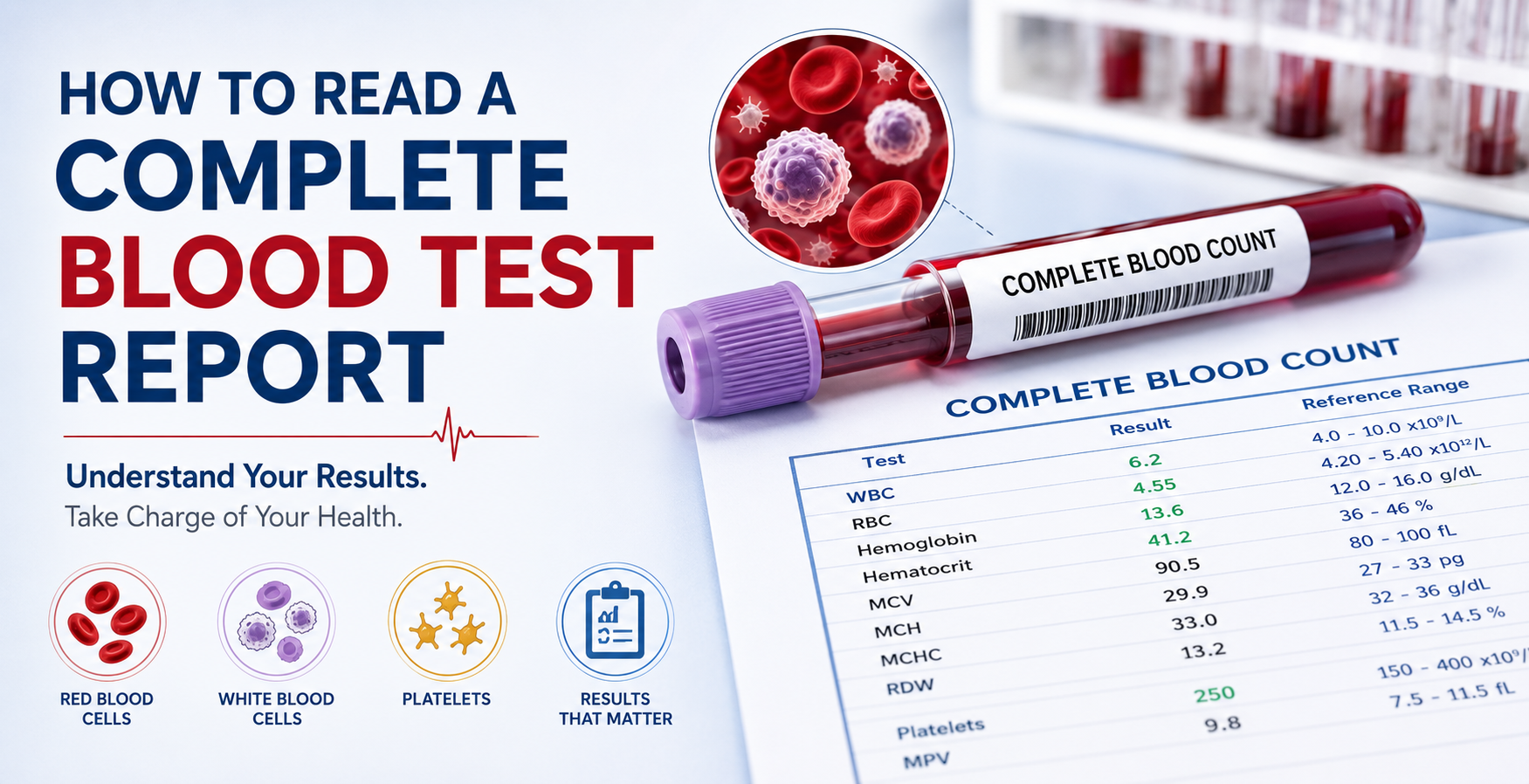
Receiving blood test results can be confusing, especially when the report is filled with unfamiliar medical abbreviations, numbers, and reference ranges. Many people open their laboratory report and immediately wonder whether every value outside the “normal” range means something is wrong. Others search online for individual blood markers without understanding how they relate to one another.
A complete blood test report is one of the most valuable diagnostic tools in modern medicine. It gives healthcare professionals important information about your overall health, immune system, red blood cells, oxygen-carrying capacity, risk of infection, inflammation, bleeding disorders, nutritional deficiencies, and many chronic medical conditions. However, interpreting a blood test is much more complex than simply checking whether a number appears high or low.
This guide explains how to read a complete blood test report step by step using language that is easy to understand while remaining medically accurate. Whether you recently had routine blood work, are monitoring a chronic condition, or simply want to understand your health better, learning how to interpret laboratory reports can help you have more informed conversations with your healthcare provider.
It is important to remember that laboratory results should never be interpreted in isolation. Doctors evaluate your blood test alongside your medical history, current symptoms, medications, physical examination, age, sex, and sometimes previous laboratory results. A slightly abnormal value may have little clinical significance, while several small changes occurring together can provide important clues about an underlying condition.
Why Blood Tests Are So Important
Blood circulates through every organ and tissue in the body, carrying oxygen, nutrients, hormones, immune cells, and waste products. Because of this, even small changes inside the body often become visible through blood analysis before symptoms appear.
Routine blood tests can help identify medical conditions in their earliest stages. They are commonly used to detect infections, anemia, diabetes, kidney disease, liver disease, thyroid disorders, nutritional deficiencies, autoimmune diseases, and certain cancers. Blood tests are also essential for monitoring the effectiveness of medications, evaluating recovery after illness or surgery, and tracking chronic diseases over time.
For healthy adults, blood tests are often included as part of annual health examinations. Physicians may also order laboratory investigations before surgery, during pregnancy, after hospital admission, or whenever unexplained symptoms such as fatigue, weight loss, fever, dizziness, or persistent pain require further investigation.
Because blood tests provide objective measurements rather than relying only on symptoms, they remain one of the foundations of evidence-based medicine.
Understanding the Structure of a Blood Test Report
Although laboratory reports vary slightly between hospitals and diagnostic laboratories, most follow a similar structure. Understanding the layout makes the report much easier to interpret.
Near the top of the report you will usually find patient identification information, including your name, age, sex, laboratory number, collection date, and the physician who requested the test. This information ensures the results belong to the correct patient.
The main section contains a list of laboratory measurements. Each row typically includes the name of the test, your measured result, the unit of measurement, and the laboratory’s reference range. Some reports also include flags such as “H” for high or “L” for low when a value falls outside the expected range.
Many patients assume that every flagged result indicates disease. In reality, reference ranges represent values found in approximately 95% of healthy individuals. This means that some perfectly healthy people naturally fall slightly outside the reference interval.
Laboratories may also use different equipment and testing methods, meaning the reference range from one laboratory may differ slightly from another. For this reason, comparing results from different laboratories should always be done carefully.
The Most Common Blood Tests Included in Routine Screening
A routine health check often includes several laboratory panels rather than a single blood test. Each panel evaluates a different aspect of your health.
The Complete Blood Count, commonly called the CBC, examines the different types of blood cells circulating in your bloodstream. It is one of the most frequently ordered laboratory investigations worldwide because it provides valuable information about infections, anemia, immune function, bleeding disorders, and many other conditions.
A Comprehensive Metabolic Panel or Basic Metabolic Panel evaluates kidney function, electrolyte balance, blood sugar, and several important chemical substances circulating in the blood.
Liver function tests measure enzymes and proteins that help determine how well the liver is functioning.
A lipid profile evaluates cholesterol and triglyceride levels to estimate cardiovascular risk.
Thyroid function tests assess hormone production by the thyroid gland.
Additional tests may include iron studies, vitamin B12, folate, vitamin D, inflammatory markers, hormone panels, clotting studies, or specialized tests depending on your symptoms and medical history.
Although each of these laboratory panels plays an important role, the Complete Blood Count is often the starting point for understanding many common health conditions.
What Is a Complete Blood Count (CBC)?
The Complete Blood Count, or CBC, measures the three major types of cells found in your blood: red blood cells, white blood cells, and platelets.
Each group performs a different function that is essential for survival.
Red blood cells transport oxygen from the lungs to every tissue in the body while carrying carbon dioxide back to the lungs for removal. White blood cells defend the body against infections and participate in immune responses. Platelets help stop bleeding by forming blood clots whenever blood vessels become damaged.
The CBC also measures several additional indices that provide more detailed information about the size, shape, and concentration of these blood cells. Doctors rarely focus on one value alone. Instead, they look for patterns among multiple measurements to better understand what is happening inside the body.
Because it evaluates several body systems simultaneously, the CBC is often the first laboratory test ordered when patients present with fatigue, fever, weakness, bruising, infections, unexplained weight loss, or many other nonspecific symptoms.
Understanding Reference Ranges
One of the most misunderstood parts of a laboratory report is the reference range.
A reference range is not necessarily the definition of perfect health. Instead, it represents the range of values observed in most healthy individuals tested by that laboratory. Several factors influence these ranges, including age, biological sex, pregnancy, altitude, ethnicity, hydration status, and laboratory methodology.
For example, men generally have higher hemoglobin levels than women because testosterone stimulates red blood cell production. Pregnant women often have lower hemoglobin due to increased blood volume. Children have completely different reference values from adults because their bodies are still developing.
Even temporary conditions such as dehydration, vigorous exercise, stress, menstruation, recent infections, and certain medications can influence laboratory values without indicating a serious medical problem.
For this reason, physicians rarely make important medical decisions based on a single mildly abnormal laboratory result. Instead, they evaluate trends over time while considering your symptoms and overall clinical picture.
Before You Interpret Your Results
Before trying to understand your laboratory report, ask yourself a few important questions.
Was the blood sample collected while fasting if fasting was required?
Were you recently ill?
Did you exercise intensely before the blood draw?
Are you taking prescription medications, supplements, or herbal products that may influence laboratory values?
Have you recently experienced significant stress, dehydration, pregnancy, surgery, or blood loss?
The answers to these questions may explain certain laboratory abnormalities without indicating underlying disease.
Likewise, laboratory errors occasionally occur. Improper sample handling, delayed analysis, clotting inside the collection tube, or even difficult blood collection can affect certain measurements. When a result appears unexpected or inconsistent with your health, physicians often repeat the test before reaching any conclusions.
What’s Coming Next
Now that you understand how laboratory reports are organized and why blood tests are performed, the next step is learning how to interpret each section of the Complete Blood Count in detail.
In Part 2, we will examine every major CBC component, including:
- Red Blood Cell (RBC) Count
- Hemoglobin (Hb)
- Hematocrit (Hct)
- Mean Corpuscular Volume (MCV)
- Mean Corpuscular Hemoglobin (MCH)
- Mean Corpuscular Hemoglobin Concentration (MCHC)
- Red Cell Distribution Width (RDW)
- White Blood Cell (WBC) Count
- Differential White Blood Cell Count
- Platelets (PLT)
- Mean Platelet Volume (MPV)
You’ll learn what each marker measures, why doctors order it, what high or low values may indicate, and how these results are interpreted together rather than individually.
Understanding the Complete Blood Count (CBC)
The Complete Blood Count (CBC) is one of the most commonly ordered laboratory tests because it provides a broad overview of your health using a single blood sample. Rather than focusing on one measurement, the CBC evaluates several different blood cell types and their characteristics. Together, these values can help healthcare providers identify infections, anemia, inflammation, bleeding disorders, nutritional deficiencies, bone marrow diseases, and many other medical conditions.
Learning what each CBC component measures—and how doctors interpret them together—can make your laboratory report much easier to understand.
Red Blood Cell (RBC) Count
Red blood cells are responsible for carrying oxygen from your lungs to every tissue in your body. They contain hemoglobin, the protein that binds oxygen and delivers it to organs and muscles.
The RBC count measures the number of red blood cells circulating in a specific volume of blood. Healthy levels are essential because every organ depends on a continuous oxygen supply.
A low RBC count often suggests anemia, although the underlying cause can vary widely. Blood loss, iron deficiency, vitamin B12 deficiency, folate deficiency, chronic kidney disease, bone marrow disorders, and certain chronic illnesses may all reduce red blood cell production.
An elevated RBC count may occur because the body is attempting to compensate for lower oxygen levels. People living at high altitude, smokers, individuals with chronic lung disease, and those with certain heart conditions may naturally have higher counts. Less commonly, an abnormally high RBC count may indicate a bone marrow disorder such as polycythemia vera.
Doctors rarely interpret the RBC count alone. Instead, they compare it with hemoglobin, hematocrit, and other red blood cell indices to determine the underlying cause of any abnormality.
Hemoglobin (Hb)
Hemoglobin is the iron-containing protein inside red blood cells that transports oxygen throughout the body. It is often considered one of the most important measurements in a CBC because it directly reflects the blood’s ability to carry oxygen.
When hemoglobin levels fall below normal, tissues receive less oxygen. This may cause fatigue, weakness, dizziness, headaches, pale skin, shortness of breath, or reduced exercise tolerance. Depending on the cause, anemia may develop gradually or appear suddenly after significant blood loss.
Low hemoglobin is commonly associated with iron deficiency, heavy menstrual bleeding, gastrointestinal bleeding, vitamin deficiencies, chronic inflammatory diseases, kidney disease, pregnancy, or inherited blood disorders.
High hemoglobin levels are less common but may occur with dehydration, smoking, chronic lung disease, congenital heart disease, obstructive sleep apnea, or bone marrow disorders. In some cases, dehydration temporarily concentrates the blood, making hemoglobin appear artificially elevated even though the total number of red blood cells has not changed.
Because hemoglobin is influenced by hydration, age, sex, pregnancy, altitude, and underlying medical conditions, interpretation always requires clinical context.
Hematocrit (Hct)
Hematocrit represents the percentage of your blood made up of red blood cells. Rather than counting individual cells, this measurement estimates how much of your blood volume consists of oxygen-carrying cells.
Since hematocrit closely follows hemoglobin levels, low values frequently indicate anemia, while higher values often suggest dehydration or increased red blood cell production.
Physicians frequently compare hematocrit with hemoglobin to confirm that both measurements tell a consistent clinical story. If one value appears unexpectedly different from the other, laboratory error or another underlying factor may need further investigation.
Mean Corpuscular Volume (MCV)
Mean Corpuscular Volume measures the average size of your red blood cells. This single number provides important clues about the type of anemia a person may have.
When MCV is lower than normal, the red blood cells are smaller than expected. This condition, known as microcytosis, is commonly associated with iron deficiency anemia or certain inherited blood disorders such as thalassemia.
When MCV falls within the normal range, anemia may result from recent blood loss, chronic disease, kidney disease, or other conditions that do not significantly affect cell size.
When MCV is higher than normal, the red blood cells are larger than average. This pattern, called macrocytosis, may occur because of vitamin B12 deficiency, folate deficiency, liver disease, excessive alcohol consumption, hypothyroidism, certain medications, or bone marrow disorders.
Because MCV helps narrow the possible causes of anemia, it is one of the most useful values physicians evaluate after identifying a low hemoglobin level.
Mean Corpuscular Hemoglobin (MCH)
Mean Corpuscular Hemoglobin measures the average amount of hemoglobin contained within each individual red blood cell.
Lower MCH values often accompany iron deficiency because each cell contains less hemoglobin than normal. Higher values usually occur when red blood cells become larger, as seen in vitamin B12 or folate deficiency.
Although MCH provides additional information, it is generally interpreted alongside MCV and MCHC rather than on its own.
Mean Corpuscular Hemoglobin Concentration (MCHC)
MCHC measures the concentration of hemoglobin inside each red blood cell rather than the total amount.
Low MCHC often indicates hypochromic anemia, in which red blood cells appear paler because they contain less hemoglobin. Iron deficiency remains the most common cause.
Higher MCHC values are relatively uncommon but may occur in hereditary spherocytosis, severe burns, autoimmune hemolytic anemia, or laboratory artifact.
Together, MCV, MCH, and MCHC help physicians classify anemia and guide further diagnostic testing.
Red Cell Distribution Width (RDW)
Red Cell Distribution Width measures the variation in red blood cell size.
In healthy individuals, most red blood cells are similar in size. When RDW increases, it indicates greater variation between the smallest and largest cells circulating in the bloodstream.
An elevated RDW often appears early during iron deficiency because newly produced cells become progressively smaller than older ones. It may also increase with vitamin B12 deficiency, folate deficiency, mixed nutritional deficiencies, recovery after blood loss, or certain bone marrow disorders.
A normal RDW does not necessarily exclude disease, but when combined with MCV it provides valuable diagnostic clues. For example, low MCV together with high RDW strongly suggests iron deficiency anemia, whereas low MCV with normal RDW may point toward thalassemia.
White Blood Cell (WBC) Count
White blood cells are the body’s primary defense against infections and play a vital role in immune function. The total WBC count measures the number of white blood cells circulating in the bloodstream.
An elevated WBC count often occurs when the immune system responds to bacterial infections, inflammation, physical stress, trauma, corticosteroid medications, or certain blood cancers such as leukemia.
A low WBC count may result from viral infections, autoimmune diseases, bone marrow suppression, chemotherapy, radiation therapy, certain medications, severe nutritional deficiencies, or inherited immune disorders.
Because white blood cells consist of several different cell types, doctors usually examine the differential count before determining the likely cause of an abnormal result.
Understanding the White Blood Cell Differential
The differential separates white blood cells into five major groups, each with specialized immune functions.
Neutrophils are the most abundant white blood cells and serve as the body’s first line of defense against bacterial infections. Elevated neutrophils frequently suggest bacterial infection, inflammation, recent surgery, physical stress, or corticosteroid use. Low neutrophil counts increase the risk of serious infection and may occur during chemotherapy, bone marrow disorders, severe viral illness, or certain autoimmune diseases.
Lymphocytes help coordinate immune responses and produce antibodies against viruses and other pathogens. Increased lymphocyte counts often accompany viral infections such as infectious mononucleosis or certain chronic blood cancers. Reduced lymphocyte levels may occur in HIV infection, immunosuppressive therapy, severe illness, or inherited immune deficiencies.
Monocytes remove damaged cells, bacteria, and cellular debris from tissues. Elevated monocytes may appear during chronic infections, inflammatory diseases, tuberculosis, autoimmune disorders, or recovery following acute infection.
Eosinophils play an important role in allergic reactions, asthma, eczema, and defense against parasitic infections. High eosinophil levels frequently suggest allergies, drug reactions, parasitic diseases, or certain inflammatory conditions.
Basophils are the least common white blood cells and participate in allergic and inflammatory responses. Elevated basophils are relatively rare but may occur with chronic inflammatory diseases, allergies, hypothyroidism, or specific bone marrow disorders.
Rather than focusing on one cell type, physicians evaluate the entire differential pattern to understand how the immune system is responding.
Platelet Count (PLT)
Platelets are tiny blood cell fragments responsible for helping blood clot after injury. Whenever a blood vessel becomes damaged, platelets gather at the site to form an initial plug that limits bleeding until healing occurs.
A low platelet count, known as thrombocytopenia, increases the risk of bruising and bleeding. Mild reductions may produce no symptoms, while severe thrombocytopenia can lead to spontaneous bleeding, nosebleeds, bleeding gums, or tiny purple skin spots called petechiae.
Platelet counts may decrease because of viral infections, autoimmune disorders, bone marrow disease, chemotherapy, certain medications, liver disease, or inherited platelet disorders.
An elevated platelet count, known as thrombocytosis, may develop after surgery, blood loss, iron deficiency, inflammatory diseases, infections, or bone marrow disorders. Many cases are temporary and resolve once the underlying condition improves.
As with every CBC value, platelet abnormalities require interpretation alongside the patient’s symptoms and medical history.
Mean Platelet Volume (MPV)
Mean Platelet Volume measures the average size of platelets.
Larger platelets tend to be younger and more active, indicating that the bone marrow is producing new platelets rapidly. Smaller platelets may suggest reduced production or chronic bone marrow disorders.
Although MPV can provide additional information when platelet counts are abnormal, it rarely establishes a diagnosis by itself.
Looking at the Whole Picture
Perhaps the most important lesson when reading a CBC is that individual values rarely tell the complete story. Physicians evaluate patterns across multiple measurements rather than reacting to one isolated abnormal result.
For example, low hemoglobin together with low MCV, low MCH, and elevated RDW strongly suggests iron deficiency anemia. Elevated white blood cells with increased neutrophils may point toward bacterial infection, while increased lymphocytes are more commonly associated with viral illnesses. A low platelet count combined with abnormalities in other blood cell lines may suggest a bone marrow problem that requires further investigation.
Interpreting laboratory data is therefore much like assembling pieces of a puzzle. Each measurement provides useful information, but the overall pattern often reveals far more than any individual result.
Understanding Blood Chemistry Tests
While the Complete Blood Count (CBC) provides information about your blood cells, most routine laboratory reports also include a chemistry panel. These tests measure substances dissolved in your blood and help doctors evaluate how well your organs are functioning. Together, the CBC and chemistry panel provide a comprehensive picture of your overall health.
Many abnormalities found during routine screening are first detected through these blood chemistry tests, often before symptoms develop. Understanding what these values represent can help you interpret your laboratory report more confidently while recognizing why medical advice remains essential when results are abnormal.
Blood Glucose
Blood glucose measures the amount of sugar circulating in your bloodstream at the time of testing. Glucose is the body’s primary source of energy, but maintaining healthy levels is critical.
A fasting blood glucose test is commonly used to screen for diabetes and prediabetes. Higher-than-normal values may indicate insulin resistance, diabetes mellitus, stress, certain medications, hormonal disorders, or acute illness.
Low blood glucose, known as hypoglycemia, is less common but may occur because of diabetes medications, prolonged fasting, excessive alcohol intake, hormone deficiencies, severe infections, or certain rare tumors.
Doctors often combine glucose measurements with the Hemoglobin A1c (HbA1c) test, which reflects average blood sugar levels over approximately three months rather than a single point in time.
Kidney Function Tests
Your kidneys filter waste products from the bloodstream while maintaining the body’s fluid, electrolyte, and acid-base balance. Several blood markers help evaluate how effectively they perform these tasks.
Creatinine
Creatinine is a waste product produced during normal muscle metabolism. Healthy kidneys remove creatinine from the blood, so rising levels may indicate reduced kidney function.
However, creatinine must always be interpreted carefully. People with greater muscle mass naturally produce more creatinine than smaller individuals. Age, hydration, exercise, medications, and dietary habits can also influence results.
Blood Urea Nitrogen (BUN)
Blood Urea Nitrogen measures another waste product filtered by the kidneys. Elevated BUN may occur because of dehydration, kidney disease, gastrointestinal bleeding, high-protein diets, heart failure, or certain medications.
A mildly elevated BUN with normal creatinine often reflects dehydration rather than kidney disease.
Estimated Glomerular Filtration Rate (eGFR)
The eGFR is one of the most useful measurements for assessing kidney function. Rather than being measured directly, it is calculated using creatinine, age, sex, and other factors.
Lower eGFR values suggest declining kidney function. Persistent reductions over several months may indicate chronic kidney disease, although temporary changes can occur during acute illness or dehydration.
Liver Function Tests
The liver performs hundreds of essential functions, including processing nutrients, producing proteins, storing vitamins, removing toxins, and manufacturing bile for digestion.
Blood tests evaluate liver health by measuring enzymes and proteins released into the bloodstream.
Alanine Aminotransferase (ALT)
ALT is found primarily inside liver cells. When these cells become damaged, ALT leaks into the bloodstream.
Elevated ALT may result from fatty liver disease, viral hepatitis, alcohol-related liver disease, medication side effects, obesity, or other liver disorders.
Aspartate Aminotransferase (AST)
AST is found not only in the liver but also in muscles, the heart, kidneys, and several other tissues.
Because AST originates from multiple organs, doctors compare it with ALT when evaluating possible liver disease.
Alkaline Phosphatase (ALP)
ALP is produced by the liver and bones. Higher levels may indicate bile duct obstruction, liver disease, bone growth in children, healing fractures, pregnancy, or certain bone disorders.
Since ALP has several possible sources, additional testing is often required to determine its origin.
Bilirubin
Bilirubin forms when old red blood cells are broken down. The liver processes bilirubin before eliminating it from the body.
Elevated bilirubin may cause jaundice, producing yellow discoloration of the skin and eyes. Common causes include liver disease, gallstones, bile duct obstruction, inherited conditions such as Gilbert syndrome, and excessive breakdown of red blood cells.
Electrolytes
Electrolytes are minerals that regulate nerve function, muscle contractions, fluid balance, and heart rhythm. Even small abnormalities can sometimes produce significant symptoms.
Sodium
Sodium helps regulate body fluids and nerve activity.
Low sodium levels may develop because of heart failure, kidney disease, liver disease, hormonal disorders, excessive water intake, or certain medications.
High sodium levels usually indicate dehydration or excessive water loss rather than consuming too much salt.
Potassium
Potassium plays a critical role in muscle contraction, including the heartbeat.
Both low and high potassium levels can affect heart rhythm and may require prompt medical attention depending on their severity.
Abnormal potassium values may result from kidney disease, medications, dehydration, vomiting, diarrhea, adrenal disorders, or uncontrolled diabetes.
Chloride and Bicarbonate
These electrolytes help maintain the body’s acid-base balance.
Changes often occur together with sodium and potassium abnormalities and may provide clues about dehydration, kidney disease, respiratory disorders, or metabolic disturbances.
Lipid Profile
A lipid profile estimates cardiovascular risk by measuring different types of cholesterol and fats in the bloodstream.
Low-density lipoprotein (LDL) cholesterol is commonly called “bad cholesterol” because excessive levels contribute to plaque formation inside arteries.
High-density lipoprotein (HDL) cholesterol is often referred to as “good cholesterol” because it helps remove excess cholesterol from the bloodstream.
Triglycerides are another type of fat that may increase because of obesity, diabetes, alcohol consumption, high-carbohydrate diets, or certain inherited disorders.
Doctors evaluate the entire lipid profile rather than focusing on one number alone. Individual risk factors such as age, smoking status, blood pressure, diabetes, and family history all influence treatment recommendations.
C-Reactive Protein (CRP)
CRP is an inflammatory marker produced by the liver in response to infection, injury, or inflammation.
Higher CRP levels do not identify a specific disease but indicate that inflammation is present somewhere in the body.
CRP may increase because of bacterial infections, autoimmune diseases, inflammatory bowel disease, pneumonia, recent surgery, trauma, or many other conditions.
Since CRP is nonspecific, physicians interpret it alongside symptoms and additional laboratory findings.
Thyroid Function Tests
The thyroid gland regulates metabolism, energy production, body temperature, heart rate, and many other bodily functions.
Thyroid-Stimulating Hormone (TSH)
TSH is usually the first test ordered when thyroid disease is suspected.
An elevated TSH often suggests hypothyroidism, meaning the thyroid is underactive.
A low TSH may indicate hyperthyroidism, where the thyroid produces excessive hormones.
Free T4
Free thyroxine (Free T4) measures the active thyroid hormone circulating in the bloodstream.
Doctors interpret TSH and Free T4 together to determine whether thyroid function is normal or abnormal.
Why One Abnormal Result Doesn’t Always Mean Disease
One of the biggest misconceptions about blood tests is that any value outside the laboratory reference range automatically indicates illness.
In reality, laboratory values fluctuate naturally throughout life. Hydration, stress, recent exercise, meals, medications, pregnancy, age, sleep, altitude, and even the time of day can influence results.
Some healthy people naturally fall just outside the laboratory reference interval without having any medical condition.
Likewise, a normal laboratory result does not always guarantee perfect health. Early disease may not yet produce measurable abnormalities, which is why physicians consider symptoms, medical history, physical examination, and sometimes repeat testing before making a diagnosis.
When Should You Be Concerned?
Most mildly abnormal laboratory results are not medical emergencies. However, certain findings require prompt medical evaluation, particularly when accompanied by symptoms.
Significantly abnormal kidney function, dangerously high or low potassium, severe anemia, extremely elevated white blood cell counts, very low platelet counts, or markedly abnormal liver enzymes may require urgent assessment depending on the clinical situation.
If your healthcare provider contacts you soon after receiving laboratory results, it does not necessarily mean something serious has been found. Sometimes repeat testing or additional investigations are simply needed to clarify an unexpected result.
Tips for Understanding Your Blood Test Report
When reviewing your laboratory results, avoid focusing on isolated numbers. Instead, compare current results with previous reports whenever possible and pay attention to long-term trends.
Write down any questions before your appointment so you can discuss them with your healthcare provider. Ask what each abnormal value means in your specific situation, whether further testing is necessary, and whether lifestyle changes or treatment are recommended.
Avoid relying solely on internet searches to interpret individual laboratory markers. Many online articles discuss the most serious causes of abnormal results without considering the far more common and often harmless explanations.
Final Thoughts
Learning how to read a complete blood test report is an important step toward becoming an informed participant in your healthcare. Understanding common laboratory markers can help reduce anxiety, improve communication with your healthcare provider, and make it easier to follow your treatment plan.
However, blood tests are only one part of the diagnostic process. Experienced clinicians interpret laboratory findings alongside your symptoms, physical examination, medical history, medications, family history, and, when necessary, imaging studies or additional tests.
Rather than viewing laboratory results as a pass-or-fail assessment of your health, think of them as valuable pieces of information that help build a more complete picture of your overall wellbeing. Regular health checkups, healthy lifestyle habits, and open communication with your healthcare provider remain the best ways to protect your long-term health.
