






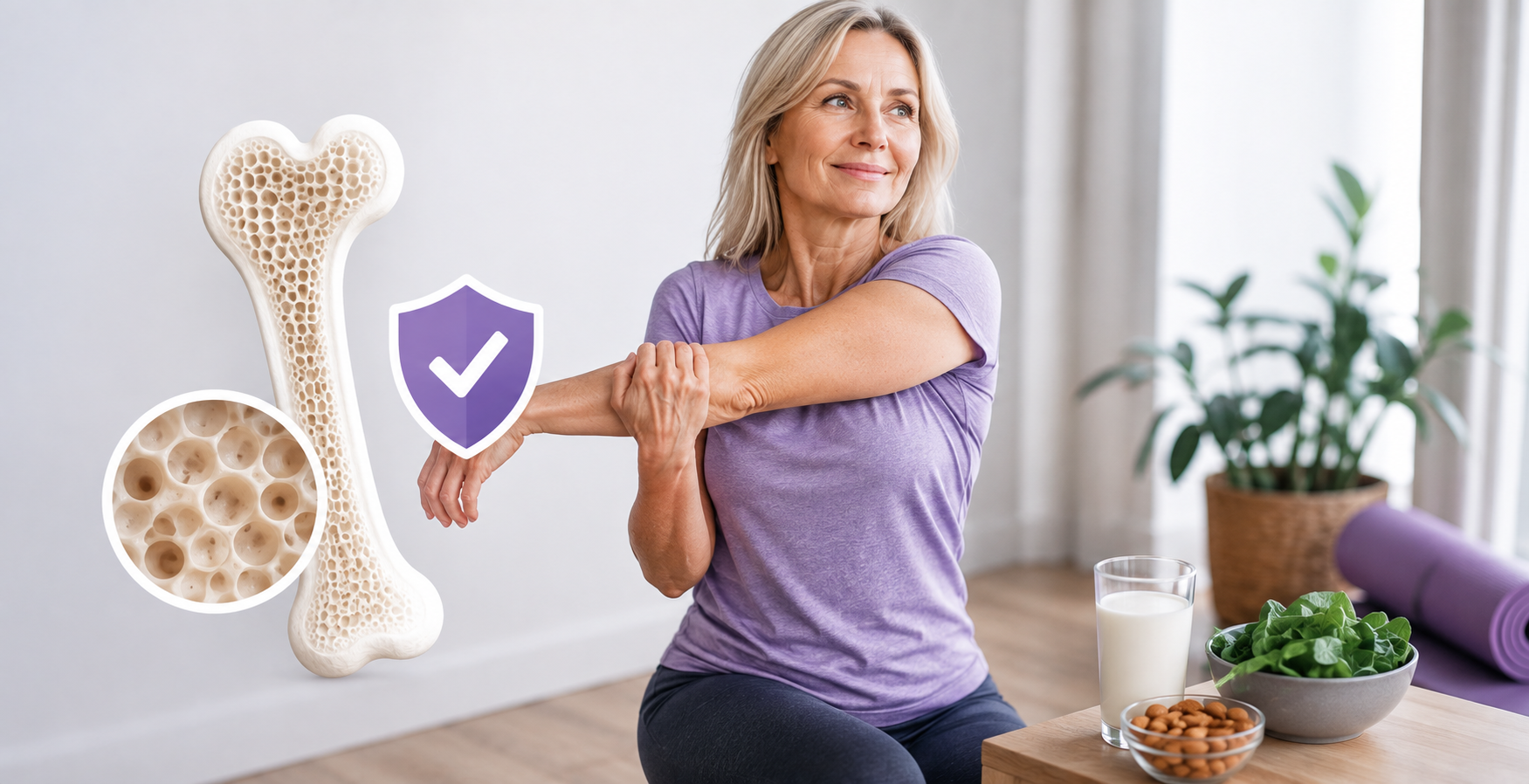
Menopause marks an important transition in a woman’s life, bringing hormonal changes that affect many aspects of health. While hot flashes, mood changes, and sleep disturbances often receive the most attention, one of the most significant long-term consequences of menopause is the increased risk of osteoporosis. This silent disease gradually weakens bones, making them more fragile and susceptible to fractures, often without causing symptoms until a bone breaks.
Worldwide, osteoporosis affects hundreds of millions of people, with postmenopausal women carrying the greatest burden. Hip, spine, and wrist fractures associated with osteoporosis can significantly reduce mobility, independence, and quality of life. Fortunately, osteoporosis is not an inevitable part of aging. By understanding why menopause accelerates bone loss and taking preventive steps early, many women can maintain strong bones well into older age.
This guide explains how menopause affects bone health, who is most at risk, and the evidence-based strategies that help prevent osteoporosis.
What Is Osteoporosis?
Osteoporosis is a chronic skeletal disease characterized by reduced bone density and deterioration of bone structure. Healthy bones constantly undergo remodeling, with old bone being broken down while new bone is formed. During youth and early adulthood, bone formation exceeds bone breakdown, allowing bones to become stronger and denser.
Peak bone mass is usually reached by the late twenties or early thirties. After that point, bone remodeling remains balanced for many years. During menopause, however, declining estrogen levels disrupt this balance, causing bone breakdown to occur faster than new bone can be formed.
As bone density decreases, bones become thinner, weaker, and more likely to fracture, even after relatively minor falls or everyday activities.
Why Menopause Increases the Risk of Osteoporosis
Estrogen plays a vital role in maintaining healthy bones. It helps regulate the cells responsible for bone remodeling and slows excessive bone breakdown.
When estrogen production declines during menopause, bone loss accelerates dramatically. Many women lose a substantial percentage of their bone density during the first five to ten years after menopause, making this period especially important for prevention.
The reduction in estrogen is only part of the picture. Aging also decreases calcium absorption, slows vitamin D production in the skin, reduces muscle strength, and increases the risk of falls, all of which contribute to fracture risk.
Risk Factors for Osteoporosis
Although menopause itself increases the likelihood of osteoporosis, several additional factors further elevate the risk.
Women with a family history of osteoporosis or hip fractures are more likely to develop low bone density themselves. Advancing age, small body frame, smoking, excessive alcohol consumption, physical inactivity, and long-term use of corticosteroid medications also contribute significantly.
Certain medical conditions, including rheumatoid arthritis, hyperthyroidism, chronic kidney disease, inflammatory bowel disease, and eating disorders, can accelerate bone loss. Nutritional deficiencies, especially inadequate calcium, vitamin D, and protein intake, may further weaken bones over time.
Women who experience early menopause, whether naturally or following surgery to remove the ovaries, often face a higher lifetime risk because they are exposed to lower estrogen levels for a longer period.
Symptoms of Osteoporosis
Osteoporosis is often called a silent disease because it rarely produces symptoms until a fracture occurs.
Many women remain unaware they have significant bone loss until they experience a broken wrist after a simple fall or develop compression fractures in the spine. Vertebral fractures may cause chronic back pain, loss of height, or a stooped posture that gradually becomes more noticeable over time.
Because symptoms frequently appear only after substantial bone loss has already occurred, screening plays a crucial role in early detection.
How Osteoporosis Is Diagnosed
The most accurate method for diagnosing osteoporosis is a dual-energy X-ray absorptiometry (DEXA or DXA) scan. This painless imaging test measures bone mineral density, usually at the hip and lumbar spine.
Results are reported as a T-score that compares bone density with that of a healthy young adult. Lower scores indicate greater bone loss and higher fracture risk.
Healthcare providers may also evaluate other fracture risk factors using clinical assessment tools that estimate the probability of future fractures based on age, medical history, family history, smoking status, and other important variables.
Calcium: Building Strong Bones
Calcium is the primary mineral found in bone tissue and remains essential throughout life.
After menopause, adequate calcium intake becomes increasingly important because the body absorbs calcium less efficiently while bone breakdown accelerates.
Most women can meet their calcium needs through a balanced diet that includes dairy products, fortified plant-based beverages, leafy green vegetables, almonds, tofu prepared with calcium, and certain fish such as sardines and canned salmon with edible bones.
When dietary intake is insufficient, healthcare providers may recommend calcium supplements. However, supplements should not replace a healthy diet, and excessive calcium intake should be avoided unless medically indicated.
The Importance of Vitamin D
Vitamin D allows the body to absorb calcium efficiently and supports healthy bone remodeling.
Unfortunately, vitamin D deficiency is common, particularly among older adults, individuals with limited sun exposure, and those living in northern climates.
Fatty fish, fortified dairy products, fortified cereals, egg yolks, and sensible sunlight exposure all contribute to maintaining adequate vitamin D levels. Some women require vitamin D supplementation, especially if blood tests confirm deficiency.
Exercise: The Best Natural Medicine for Bones
Physical activity is one of the most effective ways to preserve bone density during and after menopause.
Weight-bearing exercises stimulate bone formation by placing healthy stress on the skeleton. Walking, hiking, dancing, stair climbing, tennis, and low-impact aerobics all encourage bones to remain stronger.
Resistance training provides additional benefits by strengthening muscles that support the skeleton and improve balance. Stronger muscles reduce the likelihood of falls, which are a leading cause of fractures in older adults.
Balance exercises such as tai chi and certain forms of yoga may further reduce fall risk by improving coordination and stability.
Consistency is more important than intensity. Regular exercise performed throughout the week provides greater long-term benefits than occasional vigorous workouts.
Healthy Lifestyle Habits
Several lifestyle choices influence bone health throughout menopause.
Smoking significantly accelerates bone loss by reducing blood supply to bone tissue and interfering with estrogen activity. Quitting smoking remains one of the most important preventive measures.
Excessive alcohol consumption also weakens bones and increases fall risk. Moderate alcohol intake is generally recommended for women.
Maintaining a healthy body weight supports bone health as well. Very low body weight is associated with lower bone density, while obesity may increase fall risk despite higher bone mass.
Eating adequate protein is equally important because muscles and bones work together to maintain strength and mobility. A balanced diet containing fruits, vegetables, whole grains, lean protein, and healthy fats provides many nutrients involved in bone metabolism.
Hormone Therapy and Medications
For some women, menopausal hormone therapy may help preserve bone density while also relieving bothersome menopausal symptoms such as hot flashes and night sweats.
Hormone therapy is not appropriate for everyone, and treatment decisions should be individualized after discussing the potential benefits and risks with a healthcare professional.
Women at particularly high risk of fractures may require medications specifically designed to strengthen bones. Several prescription options reduce bone breakdown, stimulate new bone formation, or both. The choice of medication depends on bone density results, fracture history, overall health, and individual risk factors.
Preventing Falls
Preventing fractures involves more than strengthening bones. Reducing the likelihood of falls is equally important.
Good lighting throughout the home, removing loose rugs, wearing supportive footwear, installing grab bars where appropriate, and maintaining good vision all help decrease fall risk.
Regular exercise that improves strength and balance further reduces the chance of serious injuries.
When Should Women Be Screened?
Many medical organizations recommend bone density testing for women beginning around age 65. However, screening may be appropriate earlier for women who have multiple risk factors, experience early menopause, have previously sustained low-trauma fractures, or take medications known to weaken bones.
Discussing personal risk factors with a healthcare provider helps determine the most appropriate timing for screening.
Frequently Asked Questions
Although some bone loss is a natural part of aging, many women can significantly reduce their risk through regular exercise, adequate calcium and vitamin D intake, avoiding smoking, limiting alcohol, and maintaining a healthy lifestyle.
Weight-bearing activities such as brisk walking, hiking, dancing, and resistance training are among the most effective exercises because they stimulate bone formation while improving muscle strength and balance.
Most postmenopausal women require approximately 1,200 mg of calcium daily from food and, when necessary, supplements. Individual needs may vary, so consult your healthcare provider for personalized recommendations.
Yes. Vitamin D supports calcium absorption and bone health. Adequate vitamin D levels, combined with sufficient calcium intake and regular exercise, contribute to stronger bones and may reduce fracture risk.
Lost bone density cannot usually be restored completely, but appropriate treatment and lifestyle changes can slow bone loss, strengthen existing bone, and greatly reduce the risk of future fractures.
The Bottom Line
Osteoporosis is one of the most important long-term health concerns associated with menopause, but it is far from unavoidable. Declining estrogen accelerates bone loss, yet healthy lifestyle choices can make a substantial difference. Regular weight-bearing exercise, adequate calcium and vitamin D intake, smoking cessation, moderate alcohol consumption, and routine bone density screening all play essential roles in preserving bone strength.
Women who understand their personal risk factors and take preventive action early are more likely to maintain mobility, independence, and quality of life as they age. Working closely with a healthcare provider to monitor bone health and develop an individualized prevention plan remains one of the best investments in lifelong wellness.


