




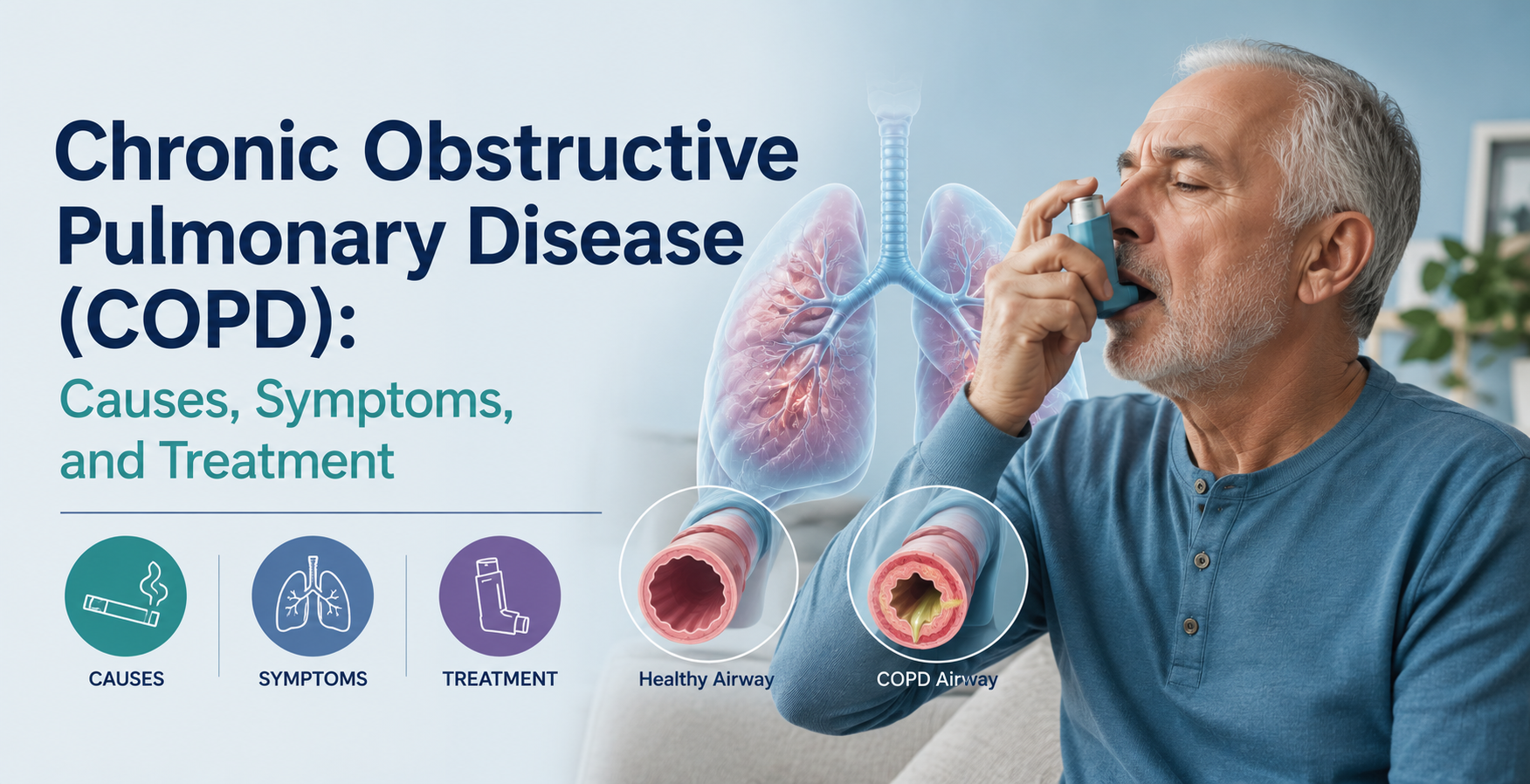
Chronic obstructive pulmonary disease (COPD) is one of the leading causes of illness and death worldwide, affecting hundreds of millions of people and placing a significant burden on healthcare systems. Despite its prevalence, many individuals live with COPD for years before receiving a diagnosis because the earliest symptoms often develop gradually and are mistaken for normal aging, lack of fitness, or the lingering effects of smoking.
COPD is not a single disease but an umbrella term that primarily includes chronic bronchitis and emphysema. These conditions often occur together and progressively damage the lungs, making it increasingly difficult to breathe. Unlike asthma, where airway narrowing is often reversible, the airflow limitation in COPD is largely permanent. Although there is currently no cure, modern treatments, lifestyle changes, and early diagnosis can significantly slow disease progression, reduce symptoms, prevent complications, and improve quality of life.
Understanding how COPD develops, recognizing its early warning signs, and knowing when to seek medical care are essential steps toward protecting long-term lung health.
What Is COPD?
Chronic obstructive pulmonary disease is a progressive lung disease characterized by persistent airflow obstruction. Healthy lungs allow air to move freely through the airways into millions of tiny air sacs called alveoli, where oxygen passes into the bloodstream and carbon dioxide is removed from the body.
In COPD, this process gradually becomes less efficient because the lungs undergo long-term structural damage. The airways become inflamed and narrowed, excess mucus blocks airflow, and the delicate walls of the alveoli lose their elasticity or are permanently destroyed. As a result, stale air becomes trapped inside the lungs after exhalation, leaving less room for fresh oxygen-rich air to enter with the next breath.
Over time, everyday activities such as climbing stairs, carrying groceries, or even getting dressed may become increasingly difficult due to breathlessness.
COPD develops slowly over many years, and many people are not diagnosed until moderate or severe lung damage has already occurred. Fortunately, early recognition allows treatment to begin before significant disability develops.
What Happens Inside the Lungs?
To understand COPD, it helps to understand how healthy lungs normally function.
Every breath travels through the nose or mouth into the windpipe (trachea), then into progressively smaller airways called bronchi and bronchioles. These airways end in clusters of microscopic air sacs known as alveoli.
Healthy alveoli are thin, elastic, and surrounded by tiny blood vessels. During inhalation they expand, allowing oxygen to enter the bloodstream. During exhalation they spring back to their original shape, pushing carbon dioxide out of the lungs.
COPD gradually disrupts this process through several mechanisms occurring simultaneously.
Chronic inflammation
Long-term exposure to harmful particles—especially cigarette smoke—causes ongoing inflammation throughout the airways. This inflammation thickens airway walls, making breathing more difficult.
Excess mucus production
Inflamed airways produce more mucus than normal. Thick mucus narrows the breathing passages and creates the chronic productive cough experienced by many people with COPD.
Damage to alveoli
In emphysema, the walls separating neighboring alveoli gradually break down. Instead of millions of tiny air sacs, fewer but much larger sacs remain. These enlarged air spaces cannot exchange oxygen efficiently.
Loss of elasticity
Healthy lungs naturally recoil after each breath. COPD reduces this elastic recoil, causing air to become trapped inside the lungs. This “air trapping” explains why many people feel unable to completely empty their lungs.
Reduced oxygen exchange
As lung damage progresses, oxygen levels may decline while carbon dioxide builds up, contributing to fatigue, exercise intolerance, headaches, and eventually more serious complications.
Because these structural changes are largely irreversible, preventing further damage becomes one of the primary goals of treatment.
What Causes COPD?
COPD develops after years of repeated injury to the lungs. In most cases, several factors contribute to its development.
Smoking
Cigarette smoking remains the leading cause of COPD worldwide. Tobacco smoke contains thousands of chemicals that irritate the lungs, destroy lung tissue, and trigger chronic inflammation.
The risk increases with:
- Number of cigarettes smoked daily
- Total years of smoking
- Starting smoking at a young age
- Continuing to smoke after symptoms begin
Pipe smoking, cigar smoking, and secondhand smoke also increase risk.
Occupational exposure
People exposed to dust, chemicals, vapors, or industrial fumes over many years are more likely to develop COPD.
Higher-risk occupations include:
- Mining
- Construction
- Agriculture
- Manufacturing
- Welding
- Textile production
Even nonsmokers may develop COPD after prolonged workplace exposure.
Indoor and outdoor air pollution
Long-term exposure to polluted air contributes to chronic lung inflammation.
Risk factors include:
- Biomass fuel smoke
- Wood-burning stoves
- Coal heating
- Poor ventilation
- Heavy traffic pollution
- Industrial emissions
Indoor pollution remains a major cause of COPD in many developing countries.
Alpha-1 antitrypsin deficiency
A small percentage of people inherit a rare genetic condition called alpha-1 antitrypsin deficiency.
Alpha-1 antitrypsin normally protects lung tissue from damage. Without enough of this protective protein, emphysema can develop at a much younger age—even in people who have never smoked.
Healthcare providers may recommend testing for this condition in younger adults with COPD or those with a strong family history.
Risk Factors
While smoking remains the biggest contributor, several additional factors increase COPD risk.
These include:
- Age over 40
- Current or former smoking
- Exposure to secondhand smoke
- Workplace dust and chemicals
- Air pollution
- Childhood respiratory infections
- Poor lung development during childhood
- Asthma, particularly when poorly controlled
- Alpha-1 antitrypsin deficiency
- Long-term exposure to biomass fuels
Having multiple risk factors significantly increases the likelihood of developing COPD.
COPD Symptoms
COPD symptoms usually develop gradually and worsen over many years. Many people adjust their daily activities without realizing how much lung function they have lost.
The earliest symptom is often shortness of breath during physical activity.
Initially, this may only occur during strenuous exercise. Later, even walking across a room or climbing a few stairs can become exhausting.
Another hallmark symptom is a persistent cough lasting months or years. Some people produce mucus every day, while others have a dry cough.
As airflow limitation worsens, additional symptoms often develop, including wheezing, chest tightness, fatigue, and frequent respiratory infections.
Some people notice they become less active because physical activity leaves them breathless. Unfortunately, reduced activity weakens muscles, making breathing even harder over time.
Early Warning Signs Parents and Adults Often Ignore
COPD rarely appears suddenly. Instead, subtle symptoms may be overlooked for years.
Common early warning signs include:
- A cough lasting longer than eight weeks
- Producing mucus most mornings
- Becoming breathless during routine activities
- Frequent chest infections
- Wheezing
- Feeling unusually tired
- Difficulty recovering after respiratory illnesses
Because early COPD can be treated more effectively than advanced disease, these symptoms should never be dismissed as “just getting older.”
How COPD Progresses
COPD is considered a progressive disease because lung damage accumulates over time.
Without treatment, inflammation continues to damage the lungs, causing symptoms to worsen gradually.
Many people also experience COPD exacerbations, sometimes called flare-ups.
These episodes occur when symptoms suddenly become much worse, usually because of viral infections, bacterial infections, or air pollution.
During an exacerbation, coughing increases, mucus production changes, breathing becomes more difficult, and hospitalization may be required.
Each flare-up can permanently reduce lung function, making prevention a key treatment goal.
COPD Stages (GOLD Classification)
Healthcare providers often classify COPD according to the Global Initiative for Chronic Obstructive Lung Disease (GOLD) system.
Stage 1 (Mild)
Airflow limitation is mild. Many people have a chronic cough but may not realize they have COPD.
Stage 2 (Moderate)
Shortness of breath becomes more noticeable, especially during exercise. Most people seek medical care during this stage.
Stage 3 (Severe)
Airflow becomes significantly restricted. Daily activities become increasingly difficult, and flare-ups occur more often.
Stage 4 (Very Severe)
Breathing problems become disabling. Oxygen levels may fall significantly, and complications become much more likely. Some individuals require long-term oxygen therapy.
Healthcare providers also assess symptom severity and flare-up frequency to personalize treatment plans beyond lung function measurements alone.
How COPD Is Diagnosed
Diagnosing COPD involves combining a person’s symptoms, medical history, physical examination, and lung function testing.
Your healthcare provider will ask about:
- Smoking history
- Occupational exposures
- Environmental exposures
- Family history
- Respiratory infections
- Current symptoms
- Exercise tolerance
During the physical examination, they may listen for wheezing, reduced breath sounds, prolonged exhalation, or signs of advanced lung disease.
Because many lung conditions produce similar symptoms, additional testing is often needed to confirm the diagnosis.
Common Diagnostic Tests
Spirometry
Spirometry is the most important test for diagnosing COPD.
You take a deep breath and blow forcefully into a machine that measures:
- How much air you can exhale
- How quickly you can exhale
Persistent airflow obstruction confirms COPD.
Chest X-ray
Chest X-rays help identify emphysema, pneumonia, heart enlargement, or other conditions causing breathlessness.
CT scan
A CT scan provides detailed images of the lungs and may detect emphysema earlier than standard X-rays. It can also identify other lung diseases.
Pulse oximetry
A painless sensor placed on your finger estimates oxygen levels in your blood.
Arterial blood gas test
In more advanced disease, this blood test measures oxygen and carbon dioxide levels directly.
Alpha-1 antitrypsin testing
Younger patients or those with a family history may undergo blood testing for inherited alpha-1 antitrypsin deficiency.
Treatment Overview
Although COPD cannot currently be cured, treatment can dramatically improve symptoms, reduce flare-ups, and help people remain active for many years.
Treatment plans are individualized according to disease severity, symptoms, and overall health.
The single most effective intervention is smoking cessation. Quitting smoking slows the rate of lung function decline more than any medication.
Most people also benefit from inhaled medications that relax airway muscles (bronchodilators), reduce inflammation (inhaled corticosteroids), or combine several medications in one inhaler.
Pulmonary rehabilitation combines supervised exercise, breathing techniques, nutritional advice, and education to improve physical function and quality of life. For many patients, it is as important as medication.
People with advanced COPD may require supplemental oxygen therapy if blood oxygen levels become chronically low. Oxygen can improve survival in carefully selected patients while reducing fatigue and improving daily function.
In selected severe cases, surgical procedures such as lung volume reduction surgery, endobronchial valve placement, bullectomy, or lung transplantation may be considered when medical therapy alone is no longer sufficient.
The most successful COPD treatment plans combine medication, smoking cessation, regular follow-up, pulmonary rehabilitation, vaccination, and ongoing monitoring to slow disease progression and maintain the highest possible quality of life.
Living With COPD
Receiving a diagnosis of chronic obstructive pulmonary disease can feel overwhelming, but it does not mean life comes to a standstill. Millions of people continue to work, travel, exercise, and enjoy meaningful lives while living with COPD. Successful long-term management goes beyond medication alone. Daily habits, emotional well-being, and ongoing communication with healthcare providers all play essential roles in slowing disease progression and maintaining independence.
Every person’s experience with COPD is different. Some individuals notice only mild symptoms for many years, while others experience frequent flare-ups or significant breathing difficulties. Learning how to work with your condition instead of against it can make a remarkable difference in your quality of life.
Staying Physically Active
One of the biggest misconceptions about COPD is that people should avoid exercise because it causes shortness of breath. In reality, regular physical activity is one of the most effective ways to improve overall lung function, endurance, and energy levels.
When breathing becomes difficult, many people naturally reduce their activity. Unfortunately, inactivity weakens the muscles throughout the body, including those involved in breathing. As muscles lose strength, even simple tasks require more oxygen, creating a cycle of worsening breathlessness.
Exercise helps break this cycle by improving cardiovascular fitness, strengthening muscles, and allowing the body to use oxygen more efficiently. Walking, cycling, swimming, stretching, and light resistance training are often recommended, although the ideal exercise program depends on each person’s health status.
People with moderate or severe COPD should discuss new exercise routines with their healthcare provider before starting. In many cases, structured exercise under professional supervision is the safest approach.
Pulmonary Rehabilitation
Pulmonary rehabilitation is considered one of the most valuable treatments for COPD, particularly after symptoms begin interfering with daily activities.
Rather than focusing only on medications, pulmonary rehabilitation combines supervised exercise, education, breathing techniques, nutritional counseling, and emotional support into a comprehensive treatment program.
Participants learn practical strategies for managing breathlessness, improving endurance, conserving energy, and recognizing early signs of worsening disease. They also receive education about inhaler techniques, oxygen therapy, healthy nutrition, and coping with chronic illness.
Studies consistently show that pulmonary rehabilitation reduces hospital admissions, improves exercise tolerance, decreases shortness of breath, and significantly enhances quality of life. Even people with advanced COPD often notice meaningful improvements after completing a rehabilitation program.
Nutrition and Maintaining a Healthy Weight
Nutrition is often overlooked in COPD management, yet it has a major impact on breathing and overall health.
Breathing requires energy. In advanced COPD, respiratory muscles work much harder than normal, increasing calorie requirements. Some people unintentionally lose weight and muscle mass because eating becomes exhausting or because chronic inflammation increases energy expenditure.
Others may gain weight due to reduced physical activity, placing additional strain on already compromised lungs and the heart.
A balanced diet rich in vegetables, fruits, whole grains, lean proteins, healthy fats, and adequate fluids supports muscle function and immune health. Protein is especially important for maintaining respiratory muscle strength.
Many healthcare providers recommend eating smaller, more frequent meals rather than large meals, since a full stomach can make breathing more difficult. Drinking enough water also helps keep mucus thinner and easier to clear from the airways.
If weight loss, poor appetite, or difficulty eating becomes a problem, consultation with a registered dietitian may be beneficial.
The Importance of Good Sleep
Many people with COPD struggle with sleep disturbances. Persistent coughing, breathlessness, low oxygen levels, and anxiety can all interfere with restful sleep.
Poor sleep contributes to daytime fatigue, reduced concentration, lower exercise tolerance, and worsening mood. Some individuals also develop sleep disorders such as obstructive sleep apnea, which may further reduce nighttime oxygen levels.
Maintaining good sleep habits can improve both physical and mental well-being. Going to bed at consistent times, limiting caffeine late in the day, creating a comfortable sleeping environment, and treating nighttime breathing problems all contribute to better rest.
People who wake frequently gasping for air, experience loud snoring, or feel excessively sleepy during the day should discuss possible sleep disorders with their healthcare provider.
Mental Health and Emotional Well-Being
Living with a chronic lung disease affects far more than breathing. COPD often changes daily routines, limits physical activity, and creates uncertainty about the future. These challenges can take a significant emotional toll.
Depression and anxiety are common among people with COPD. Breathlessness itself can trigger panic, while fear of experiencing another severe flare-up may cause people to avoid leaving home or participating in social activities.
Recognizing these emotional challenges is an important part of treatment. Counseling, pulmonary rehabilitation, cognitive behavioral therapy, relaxation techniques, mindfulness, and support groups have all been shown to improve coping skills and quality of life.
Family members should also understand that emotional struggles are common in chronic illness and deserve the same attention as physical symptoms.
Traveling Safely with COPD
Having COPD does not necessarily prevent travel, but planning ahead becomes increasingly important.
Before traveling, patients should ensure they have enough medication for the entire trip, including rescue inhalers and backup prescriptions. Those who require supplemental oxygen should coordinate with airlines and travel providers well in advance.
Traveling to high-altitude destinations may worsen breathlessness because oxygen levels naturally decrease at higher elevations. Similarly, areas with poor air quality or heavy pollution may trigger symptoms.
Discussing travel plans with a healthcare provider before long trips can help identify any additional precautions that may be needed.
Air Quality and Environmental Factors
People with COPD are particularly sensitive to airborne irritants.
Cigarette smoke, wildfire smoke, industrial pollution, chemical fumes, dust, mold, perfumes, and cleaning products may all worsen breathing symptoms.
Monitoring local air quality forecasts can help people decide whether outdoor activities should be limited on days when pollution levels are high. Many individuals benefit from using air purifiers indoors and avoiding exposure to secondhand smoke whenever possible.
Weather and COPD
Changes in weather can also influence COPD symptoms.
Cold air may trigger airway narrowing and coughing, while hot, humid conditions can make breathing feel more difficult. Rapid changes in temperature or atmospheric pressure may also worsen symptoms in some individuals.
During cold weather, wearing a scarf over the mouth and nose helps warm inhaled air before it reaches the lungs. During hot weather, limiting outdoor activity during the warmest hours of the day and staying well hydrated may reduce breathing difficulties.
Oxygen Therapy
As COPD progresses, some individuals develop chronically low blood oxygen levels.
Long-term oxygen therapy supplies additional oxygen through nasal tubing or a face mask, allowing vital organs to receive adequate oxygen.
Although some people worry that oxygen therapy will limit their independence, modern portable oxygen concentrators have made daily activities much easier than in the past. For carefully selected patients, oxygen therapy improves survival, reduces fatigue, and enhances overall quality of life.
Oxygen should only be used under medical supervision, as both too little and too much oxygen may create problems for certain patients.
Working with COPD
Many people continue working after being diagnosed with COPD, particularly during the early and moderate stages.
Some occupations, however, expose workers to dust, fumes, smoke, or chemicals that can worsen lung damage. In these situations, workplace adjustments or protective equipment may be necessary.
Employers may also be able to accommodate flexible schedules or modified duties if symptoms begin interfering with physically demanding tasks.
Open communication with healthcare providers and employers helps individuals remain productive while protecting their lung health.
Sexual Health and Intimacy
COPD can affect intimate relationships in several ways. Breathlessness, fatigue, anxiety, and reduced physical endurance may decrease sexual activity or confidence.
Open conversations between partners are important. Planning intimacy during times of day when energy levels are highest, using prescribed medications beforehand if recommended, and choosing comfortable positions that reduce shortness of breath may help.
Healthcare providers understand these concerns and can offer practical advice if symptoms begin affecting sexual health.
The Value of Family and Social Support
Managing COPD is often easier with strong support from family, friends, and caregivers.
Loved ones can encourage healthy habits, assist with medications, recognize early signs of worsening symptoms, and provide emotional reassurance during difficult periods.
Support groups—whether in person or online—also allow people with COPD to share experiences, practical tips, and encouragement with others facing similar challenges.
Strong social support has consistently been linked to better treatment adherence, fewer hospitalizations, and improved quality of life.
COPD Complications
Although many people live well with COPD for years, the disease can lead to a number of serious complications, particularly when symptoms are not well controlled.
The most common complication is acute exacerbation, in which breathing suddenly becomes much worse. Repeated flare-ups accelerate the loss of lung function and increase the risk of hospitalization.
Another major complication is post-inflammatory damage to the lungs, making respiratory infections such as influenza and pneumonia more frequent and potentially more severe.
As oxygen levels decline over time, the heart must work harder to pump blood through damaged lungs. This may eventually lead to pulmonary hypertension and right-sided heart failure (cor pulmonale).
Many individuals also develop osteoporosis, partly because of reduced physical activity, long-term corticosteroid use, and chronic inflammation.
Muscle weakness and unintentional weight loss may occur as breathing requires increasing amounts of energy. Reduced exercise capacity can further weaken muscles, creating another cycle of declining physical function.
COPD is also associated with higher rates of depression, anxiety, sleep disorders, diabetes, cardiovascular disease, and lung cancer. These conditions may influence treatment decisions and overall prognosis, making comprehensive medical care essential.
Perhaps the most well-known long-term complication is chronic respiratory failure, in which the lungs can no longer maintain adequate oxygen and carbon dioxide levels. Some patients eventually require long-term oxygen therapy or assisted ventilation.
Preventing COPD Progression
Although lung damage caused by COPD cannot usually be reversed, disease progression can often be slowed significantly through consistent treatment and healthy lifestyle choices.
Smoking Cessation
Quitting smoking remains the single most effective intervention for slowing COPD progression.
Even individuals with advanced disease benefit from stopping smoking. Lung function declines much more slowly after smoking cessation, and the risks of cardiovascular disease, lung cancer, and frequent exacerbations also decrease.
Many people require multiple attempts before successfully quitting. Counseling, nicotine replacement therapy, and prescription medications can substantially improve success rates.
Staying Up to Date with Vaccinations
Respiratory infections are among the leading causes of COPD flare-ups.
Annual influenza vaccination, pneumococcal vaccination, COVID-19 vaccination where appropriate, and other recommended immunizations help reduce severe infections and hospitalization.
Reducing Exposure to Lung Irritants
Avoiding cigarette smoke, occupational dust, chemical fumes, indoor pollution, and wildfire smoke helps minimize ongoing lung inflammation.
Using protective equipment at work and improving home ventilation can further reduce harmful exposures.
Maintaining a Healthy Lifestyle
Regular physical activity, balanced nutrition, adequate sleep, stress management, and maintaining a healthy body weight all contribute to better respiratory health and overall well-being.
Taking Medications Correctly
COPD medications only work effectively when used correctly.
Improper inhaler technique is surprisingly common and may significantly reduce medication delivery. Regular review of inhaler technique with healthcare providers helps ensure optimal treatment.
Attending Regular Follow-Up Appointments
Routine medical visits allow providers to monitor lung function, adjust medications, assess oxygen levels, and identify complications before they become serious.
Even people who feel well should continue scheduled follow-up appointments.
Recognizing Early Signs of Worsening Disease
Prompt recognition of worsening symptoms often prevents hospitalization.
Warning signs include increasing breathlessness, more frequent coughing, thicker or discolored mucus, fever, chest discomfort, or reduced ability to perform usual activities.
Seeking medical advice early may allow treatment before symptoms become severe.
COPD Exacerbations (Flare-Ups)
COPD exacerbations are periods when symptoms suddenly worsen beyond normal day-to-day variation. They represent one of the most serious aspects of COPD because they accelerate lung damage and often require emergency treatment.
What Causes Flare-Ups?
Most exacerbations are triggered by viral respiratory infections, bacterial infections, or exposure to environmental pollutants. Cold weather, poor air quality, and inconsistent medication use may also contribute.
Common Symptoms
Symptoms typically develop over several hours or days and include increasing shortness of breath, more frequent coughing, greater mucus production, thicker or darker sputum, wheezing, fatigue, and reduced exercise tolerance.
Emergency Warning Signs
Some symptoms require immediate emergency medical attention. These include severe difficulty breathing that does not improve with rescue medication, bluish lips or fingertips, confusion, inability to speak in full sentences, chest pain, extreme drowsiness, or loss of consciousness.
These signs may indicate dangerously low oxygen levels or respiratory failure and should never be ignored.
Treatment
Treatment depends on severity but commonly includes short-acting bronchodilators, oral or intravenous corticosteroids, antibiotics when bacterial infection is suspected, supplemental oxygen, and hospitalization for more severe cases.
Some individuals require non-invasive ventilation or, in life-threatening situations, mechanical ventilation to support breathing.
Preventing Future Flare-Ups
Many exacerbations can be prevented through smoking cessation, vaccination, proper medication use, pulmonary rehabilitation, avoiding respiratory infections, washing hands regularly, minimizing exposure to air pollution, and seeking prompt medical care whenever symptoms begin to worsen.
Understanding personal warning signs and having a written COPD action plan developed with a healthcare provider can help many people receive treatment earlier, reducing the risk of hospitalization and preserving lung function over the long term.
COPD in Older Adults
Chronic obstructive pulmonary disease (COPD) becomes significantly more common with advancing age. Although it can affect younger adults—particularly smokers or people with genetic risk factors—most diagnoses occur after the age of 50. Aging naturally causes gradual changes in lung structure and function. The lungs become less elastic, the chest wall stiffens, respiratory muscles lose strength, and the body’s ability to clear mucus decreases. These normal age-related changes make the lungs more vulnerable to the damage caused by smoking, air pollution, occupational exposure, and chronic inflammation.
For older adults, COPD often affects much more than breathing. It can reduce mobility, increase fatigue, interfere with sleep, and make everyday activities such as climbing stairs, shopping, bathing, or even dressing increasingly difficult. Many older patients also have additional medical conditions including heart disease, diabetes, osteoporosis, arthritis, or kidney disease, making treatment more complex.
Frailty is another important concern. Reduced muscle mass and physical inactivity can create a cycle in which breathlessness discourages movement, leading to weaker muscles that make breathing even more difficult. Pulmonary rehabilitation, gentle strength training, balanced nutrition, and maintaining regular physical activity are essential for preserving independence.
Falls are also more common among older adults with COPD. Breathlessness, poor balance, oxygen tubing, muscle weakness, and certain medications may all increase fall risk. Healthcare providers often recommend home safety assessments, walking aids when appropriate, and exercises designed to improve strength and balance.
Because respiratory infections are more dangerous in older adults, routine influenza, COVID-19, pneumococcal, and RSV vaccinations (when appropriate) play an important role in reducing hospitalizations and serious complications.
Despite these challenges, many older adults continue to live active, fulfilling lives with COPD. Early diagnosis, appropriate medications, regular exercise, smoking cessation, and ongoing medical follow-up can significantly improve quality of life.
COPD and Smoking
Smoking remains the single most important cause of COPD worldwide. Cigarette smoke contains thousands of chemicals that repeatedly irritate the airways and damage the tiny air sacs (alveoli) responsible for oxygen exchange. Over many years, this chronic irritation leads to inflammation, mucus overproduction, narrowing of the airways, and permanent destruction of lung tissue.
The risk of developing COPD increases with both the number of cigarettes smoked each day and the total years of smoking. However, there is no completely safe level of tobacco exposure. Even occasional smoking contributes to lung injury.
Secondhand smoke is another significant risk factor. People who live with smokers or spend years working in smoke-filled environments may develop COPD despite never smoking themselves.
Although vaping is sometimes promoted as a safer alternative to cigarettes, current research suggests it is not risk-free. E-cigarette aerosols contain chemicals that may irritate the lungs and airways. Researchers continue to study their long-term effects, but healthcare experts do not recommend vaping as a safe way to protect lung health.
The benefits of quitting smoking begin almost immediately. Within days, carbon monoxide levels fall and oxygen delivery improves. Over the following months, coughing and mucus production often decrease, and breathing may gradually become easier. While existing lung damage cannot usually be reversed, quitting smoking is the most effective way to slow disease progression and reduce the risk of future flare-ups.
Many people require support to quit successfully. Smoking cessation programs may include behavioral counseling, nicotine replacement therapy, prescription medications such as varenicline or bupropion, and ongoing follow-up. Combining medication with counseling consistently provides the highest long-term success rates.
COPD in Non-Smokers
Although smoking causes most cases of COPD, nearly one in four people diagnosed with COPD have never smoked. This highlights that COPD is not exclusively a smoker’s disease.
Long-term occupational exposure is one important cause. Construction workers, miners, farmers, factory employees, welders, textile workers, and people exposed to chemical fumes or industrial dust may gradually develop chronic airway damage after years of inhaling harmful particles.
Indoor air pollution is another major contributor worldwide. In many countries, cooking or heating with wood, charcoal, crop residue, or animal dung inside poorly ventilated homes exposes families—especially women and children—to smoke for many hours every day.
Outdoor air pollution may also contribute to COPD development, particularly in densely populated urban areas with high levels of vehicle emissions and industrial pollution.
Some individuals inherit a rare genetic condition called alpha-1 antitrypsin deficiency. This disorder reduces a protective protein that normally shields lung tissue from damage. As a result, affected individuals may develop emphysema at a relatively young age, even if they have never smoked. Because early diagnosis can influence treatment and family screening, testing may be recommended in younger patients or those with a strong family history.
Poor lung development during childhood can also increase future COPD risk. Premature birth, severe childhood respiratory infections, poorly controlled asthma, and exposure to tobacco smoke early in life may prevent lungs from reaching their full potential, leaving less respiratory reserve in adulthood.
Understanding these diverse causes helps ensure that persistent respiratory symptoms are not dismissed simply because someone has never smoked.
COPD vs Asthma
| Feature | COPD | Asthma |
|---|---|---|
| Main cause | Smoking, pollution, occupational exposure | Allergic inflammation, genetics, environmental triggers |
| Typical age of onset | Usually after age 40 | Often begins during childhood |
| Airflow limitation | Mostly permanent | Usually reversible |
| Symptoms | Persistent cough, breathlessness, mucus | Episodic wheezing, chest tightness, shortness of breath |
| Common triggers | Smoking, infections, pollution | Allergens, exercise, cold air, infections |
| Diagnosis | Spirometry with persistent airflow obstruction | Spirometry showing reversible obstruction |
| Treatment | Bronchodilators, inhaled medications, rehabilitation | Inhaled corticosteroids, bronchodilators, trigger avoidance |
| Prognosis | Progressive but manageable | Often well controlled with treatment |
Although asthma and COPD share symptoms such as coughing, wheezing, and shortness of breath, they are distinct conditions. Asthma usually involves reversible airway narrowing caused by inflammation, whereas COPD causes permanent structural damage to the lungs.
Some patients have features of both conditions, sometimes referred to as asthma-COPD overlap. These individuals often require individualized treatment plans combining approaches used for both diseases.
COPD vs Chronic Bronchitis
Chronic bronchitis is one form of COPD rather than a completely separate disease. It is defined by a productive cough that lasts for at least three months in each of two consecutive years, provided other causes have been excluded.
In chronic bronchitis, the airways become chronically inflamed and produce excessive mucus. Patients often experience persistent coughing, frequent chest infections, and increased mucus production.
Not every person with COPD has chronic bronchitis, but many do. Likewise, some people with chronic bronchitis eventually develop airflow obstruction severe enough to meet the criteria for COPD.
COPD vs Emphysema
Emphysema is the second major condition included within COPD.
Unlike chronic bronchitis, which primarily affects the airways, emphysema damages the alveoli—the tiny air sacs where oxygen enters the bloodstream. The walls between these air sacs gradually break down, creating larger but less efficient air spaces.
This loss of surface area reduces oxygen exchange and traps air inside the lungs, making breathing increasingly difficult.
Many patients have both emphysema and chronic bronchitis simultaneously. One individual may have more mucus production, while another experiences more severe shortness of breath because of emphysema. Together, these conditions form the spectrum of COPD.
COPD During Pregnancy
COPD during pregnancy is relatively uncommon because the disease usually develops later in life. However, women with severe asthma, alpha-1 antitrypsin deficiency, or early-onset COPD may become pregnant while living with the condition.
Pregnancy naturally increases oxygen requirements for both mother and developing baby. Poorly controlled COPD can reduce oxygen delivery, increasing the risk of complications such as restricted fetal growth, premature birth, or low birth weight.
Care usually involves close monitoring by both respiratory specialists and obstetricians. Many inhaled medications remain appropriate during pregnancy, but treatment decisions should always balance maternal benefits with fetal safety.
Maintaining adequate oxygen levels is especially important. Women already using home oxygen therapy generally continue treatment throughout pregnancy if needed.
Delivery planning depends on disease severity. Most women can have vaginal deliveries, although severe respiratory disease may require additional monitoring.
Breastfeeding is usually encouraged, but medication safety should be discussed individually with healthcare providers.
When Should You See a Doctor?
Many people dismiss chronic coughing or mild breathlessness as part of aging or a consequence of smoking. However, early evaluation allows treatment to begin before significant lung damage develops.
Arrange a medical appointment if you experience:
- A cough lasting longer than several weeks
- Increasing shortness of breath during daily activities
- Frequent chest infections
- Wheezing or persistent mucus production
- Reduced exercise tolerance
- Unexplained fatigue or weight loss
Seek emergency medical attention immediately if you develop severe difficulty breathing, bluish lips or fingertips, confusion, chest pain, coughing up large amounts of blood, or symptoms that worsen rapidly despite using prescribed medications. These may indicate a life-threatening COPD exacerbation requiring urgent treatment.
Frequently Asked Questions
Can COPD be cured?
No. COPD cannot currently be cured, but treatments can slow progression, reduce symptoms, improve quality of life, and decrease flare-ups.
Is COPD hereditary?
Most cases are related to smoking or environmental exposure. However, alpha-1 antitrypsin deficiency is an inherited condition that increases COPD risk.
What is Stage 4 COPD?
Stage 4, or very severe COPD, involves significant airflow limitation with major symptoms that often interfere with daily life. Many patients require oxygen therapy and close medical supervision.
Can you live a long life with COPD?
Yes. Many people live for decades after diagnosis, especially if the disease is identified early, smoking stops, medications are used correctly, and healthy lifestyle habits are maintained.
Does COPD always get worse?
COPD is progressive, but the speed of progression varies widely. Smoking cessation and proper treatment can slow decline considerably.
Can exercise improve COPD?
Yes. Regular physical activity strengthens muscles, improves endurance, reduces breathlessness, and enhances overall quality of life.
Is COPD painful?
COPD itself usually doesn’t cause pain, but severe coughing, muscle strain, or complications may cause chest discomfort.
Can COPD be reversed?
Existing lung damage generally cannot be reversed. However, symptoms often improve with treatment and smoking cessation.
What foods help COPD?
A balanced diet rich in fruits, vegetables, lean proteins, whole grains, and healthy fats supports respiratory muscles and overall health.
Can stress make COPD worse?
Yes. Anxiety and emotional stress may worsen breathlessness and increase the sensation of difficulty breathing.
Is oxygen therapy permanent?
Not always. Some people require oxygen continuously, while others only need it during sleep or physical activity.
Can COPD cause heart problems?
Yes. Long-term low oxygen levels can strain the heart and increase the risk of cardiovascular disease.
Is COPD contagious?
No. COPD itself cannot spread from person to person, although respiratory infections that trigger flare-ups may be contagious.
Can people with COPD travel?
Many can travel safely with careful planning, medication management, and medical advice, especially if oxygen therapy is required.
How often should COPD be monitored?
Most patients benefit from regular follow-up visits, although frequency depends on symptom severity and disease progression.
What is pulmonary rehabilitation?
It is a supervised program combining exercise training, breathing techniques, education, and lifestyle counseling to improve daily functioning.
Can air pollution worsen COPD?
Yes. Poor air quality frequently triggers symptoms and exacerbations, making exposure reduction important.
Should people with COPD receive vaccines?
Yes. Vaccinations against influenza, COVID-19, pneumococcal disease, and other recommended infections help reduce serious complications.
Is coughing mucus normal in COPD?
Many patients with chronic bronchitis produce mucus daily. Sudden increases in amount, thickness, or color may indicate infection.
Can COPD affect mental health?
Yes. Anxiety and depression are common among people with COPD due to chronic symptoms and reduced physical activity. Addressing mental health is an important part of comprehensive care.
Key Takeaways
Chronic obstructive pulmonary disease is a long-term, progressive lung condition that affects millions of people worldwide. Although smoking remains the leading cause, COPD can also develop in non-smokers due to environmental exposures, occupational hazards, genetic factors, or impaired lung development earlier in life. Recognizing early warning signs—including persistent cough, increasing breathlessness, and reduced exercise tolerance—can lead to earlier diagnosis and more effective treatment.
While COPD cannot be cured, modern therapies have transformed its management. Smoking cessation, inhaled medications, pulmonary rehabilitation, regular exercise, vaccinations, and healthy lifestyle choices can significantly reduce symptoms, lower the risk of flare-ups, and improve quality of life. Early treatment also helps decrease the likelihood of long-term complications such as respiratory failure and persistent nerve-related discomfort from chronic coughing.
If you or someone you care about experiences ongoing respiratory symptoms, don’t assume they are simply part of aging or smoking history. Speaking with a healthcare professional, undergoing appropriate lung function testing, and starting treatment promptly can make a meaningful difference. With informed self-care, regular medical follow-up, and a personalized treatment plan, many people with COPD continue to lead active, productive, and fulfilling lives despite the challenges of this chronic disease.
