






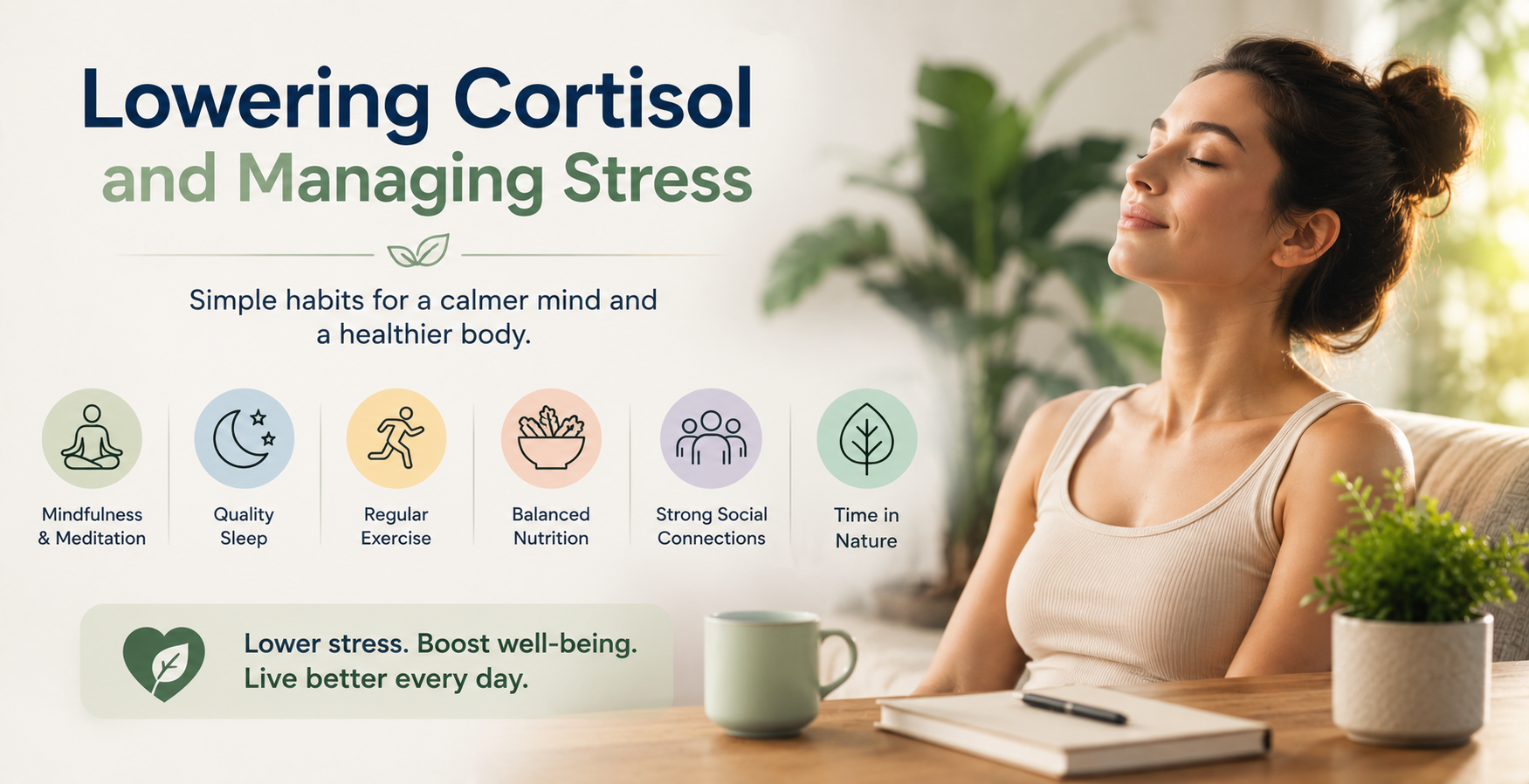
Stress is a normal part of life. Whether it comes from work deadlines, financial concerns, family responsibilities, illness, or major life changes, the body’s response to stress is designed to help us adapt and survive. One of the key hormones involved in this response is cortisol, often referred to as the “stress hormone.”
Although cortisol is essential for good health, prolonged elevations caused by chronic stress may contribute to physical and mental health problems. In recent years, social media has popularized the idea of “high cortisol” as the cause of nearly every symptom, leading to confusion and misinformation. In reality, cortisol is a vital hormone that the body needs every day, and the goal is not to eliminate it but to maintain healthy regulation.
This article explains how cortisol works, how chronic stress can affect the body, and practical, evidence-based ways to support healthy cortisol levels and overall well-being.
What Is Cortisol?
Cortisol is a steroid hormone produced by the adrenal glands, which sit above the kidneys. Its release is controlled by the hypothalamic-pituitary-adrenal (HPA) axis, one of the body’s major stress-response systems.
Cortisol helps regulate blood pressure, blood sugar, metabolism, immune function, inflammation, and the sleep-wake cycle. It also prepares the body to respond quickly during stressful situations by increasing energy availability and enhancing alertness.
Under normal circumstances, cortisol follows a daily rhythm. Levels are highest in the early morning, helping people wake up and feel alert, and gradually decline throughout the day, reaching their lowest point during the night to support sleep.
When Does Cortisol Become a Problem?
Temporary increases in cortisol are completely normal and often beneficial. During exercise, illness, or stressful situations, higher cortisol levels help the body respond appropriately.
Problems may arise when stress becomes persistent and the stress-response system remains activated for weeks or months. Chronic psychological stress, poor sleep, long working hours, certain medical conditions, and prolonged illness can all affect normal cortisol regulation.
However, it is important to understand that symptoms commonly blamed on “high cortisol,” such as fatigue or weight gain, have many possible causes. Only medical evaluation and laboratory testing can diagnose disorders involving abnormal cortisol production.
How Chronic Stress Affects the Body
Long-term stress influences nearly every organ system.
Persistently activated stress pathways may contribute to elevated blood pressure, insulin resistance, changes in appetite, abdominal weight gain, digestive symptoms, headaches, muscle tension, anxiety, depression, reduced concentration, and impaired sleep.
Chronic stress may also weaken immune function over time, making recovery from illness more difficult in some individuals.
The relationship is complex because poor sleep, unhealthy eating, and reduced physical activity can further worsen stress, creating a cycle that becomes difficult to break.
Sleep Plays a Major Role
One of the strongest influences on healthy cortisol regulation is sleep.
Insufficient or poor-quality sleep may disrupt the body’s natural cortisol rhythm, leaving people feeling tired during the day while making it harder to relax at night.
Most adults benefit from seven to nine hours of quality sleep each night. Maintaining a consistent bedtime, limiting caffeine late in the day, reducing evening screen exposure, and creating a quiet sleep environment all support healthier sleep patterns.
Improving sleep often helps people feel more resilient to everyday stress.
Physical Activity Helps Regulate Stress
Regular exercise is one of the most effective ways to improve the body’s response to stress.
Moderate aerobic exercise, strength training, walking, cycling, swimming, and similar activities improve mood, support cardiovascular health, and promote the release of endorphins, which contribute to feelings of well-being.
Intense exercise temporarily raises cortisol during the workout, but regular physical activity generally improves the body’s ability to regulate stress over time.
Consistency is more important than intensity for most people.
Nutrition and Cortisol
No single food can dramatically lower cortisol, but overall dietary quality influences how the body responds to stress.
Eating a balanced diet rich in vegetables, fruits, whole grains, lean proteins, healthy fats, legumes, and nuts provides nutrients that support normal hormone production and brain function.
Excessive consumption of highly processed foods, added sugars, and alcohol may negatively affect both metabolic health and stress resilience.
Staying well hydrated and avoiding excessive caffeine, particularly later in the day, may also improve sleep and reduce feelings of nervousness in sensitive individuals.
Relaxation Techniques That Work
Stress management involves reducing both physical and psychological tension.
Research has shown that mindfulness meditation, diaphragmatic breathing, yoga, progressive muscle relaxation, and guided relaxation exercises can reduce perceived stress and improve emotional well-being.
Even a few minutes of slow, controlled breathing each day may activate the parasympathetic nervous system, sometimes called the body’s “rest and digest” system, helping counteract the physiological effects of stress.
Regular practice generally provides greater benefits than occasional sessions.
Social Connection Matters
Supportive relationships play an important role in stress management.
Spending time with family, friends, or trusted colleagues can improve emotional resilience and reduce feelings of isolation.
Meaningful social interaction has been associated with lower perceived stress, better mental health, and improved overall quality of life.
People experiencing prolonged emotional distress should not hesitate to seek support from healthcare professionals or mental health specialists.
When to Seek Medical Advice
Persistent fatigue, unexplained weight changes, severe anxiety, depression, difficulty sleeping, or symptoms that interfere with daily life should be discussed with a healthcare provider.
Although chronic stress is common, similar symptoms may result from thyroid disease, anemia, sleep disorders, depression, anxiety disorders, diabetes, medication side effects, or endocrine conditions such as Cushing syndrome or Addison disease.
Medical evaluation helps identify the underlying cause and ensures appropriate treatment.
Frequently Asked Questions
Can I lower cortisol naturally?
Healthy sleep, regular physical activity, stress management techniques, balanced nutrition, and maintaining supportive social relationships can all help improve the body’s natural regulation of cortisol and stress responses.
Does stress always increase cortisol?
Acute stress typically increases cortisol temporarily. Chronic stress may alter cortisol regulation in more complex ways, and cortisol patterns vary between individuals.
Are “cortisol detoxes” scientifically proven?
No. There is no scientific evidence supporting detox programs or supplements that claim to rapidly eliminate excess cortisol. Healthy lifestyle habits remain the most effective evidence-based approach.
Can exercise lower cortisol?
Regular exercise improves long-term stress regulation, although cortisol naturally rises during vigorous physical activity as part of the body’s normal response.
Should I have my cortisol tested?
Routine cortisol testing is not recommended for most healthy individuals. Testing is usually performed when healthcare professionals suspect an endocrine disorder based on medical history, symptoms, and physical examination.
The Bottom Line
Cortisol is an essential hormone that helps regulate metabolism, immune function, blood pressure, and the body’s response to stress. Rather than trying to eliminate cortisol, the goal should be to support healthy hormone regulation through sustainable lifestyle habits.
Getting enough sleep, exercising regularly, eating a balanced diet, practicing evidence-based relaxation techniques, and maintaining strong social connections all contribute to better stress management and overall health. While chronic stress can affect both physical and mental well-being, small, consistent lifestyle changes often provide meaningful long-term benefits. If symptoms persist or significantly impact daily life, professional medical evaluation remains the best course of action.


