




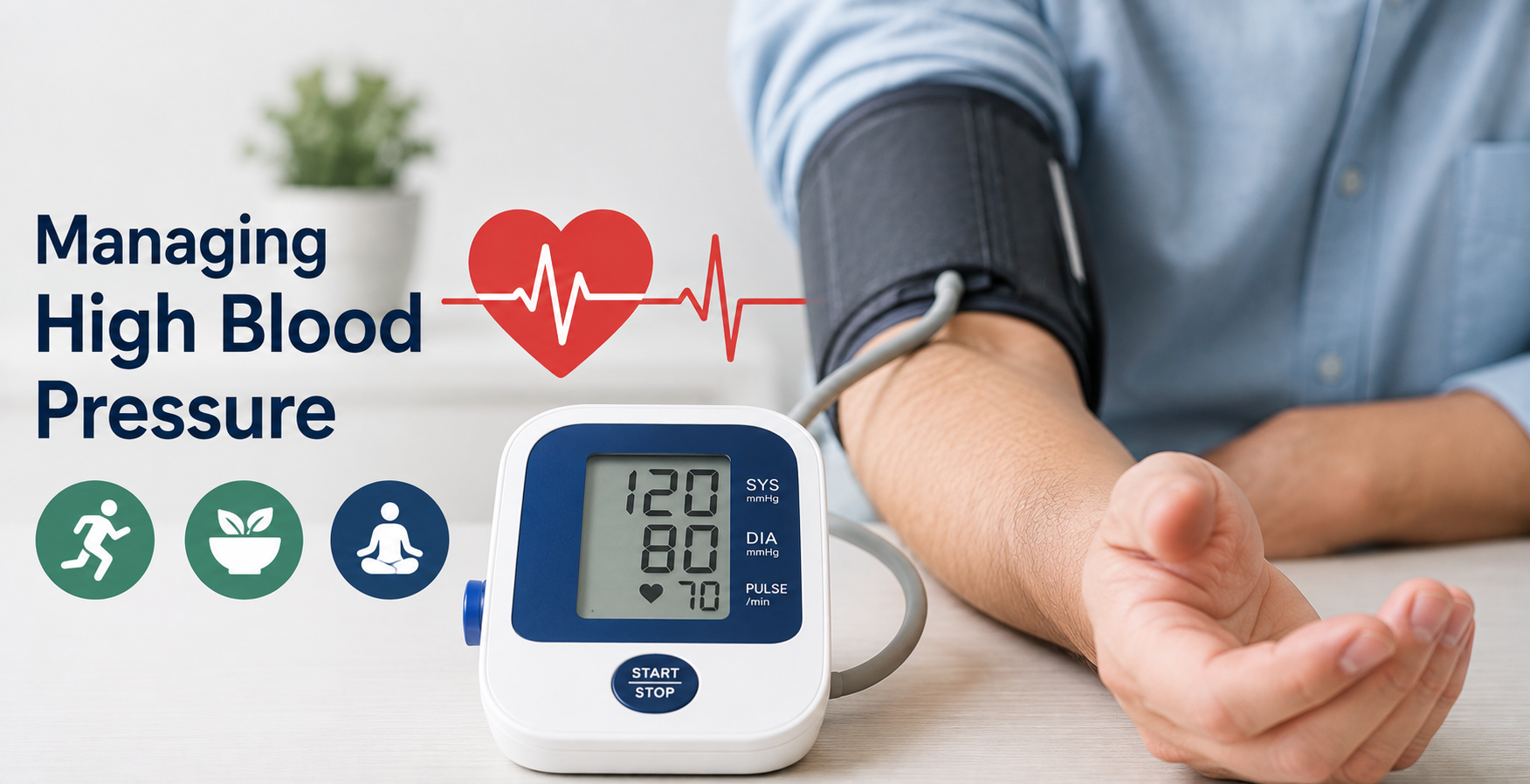
High blood pressure, medically known as hypertension, is one of the most common chronic health conditions worldwide and a leading cause of heart disease, stroke, kidney failure, and premature death. What makes hypertension especially dangerous is that it often develops silently, without obvious symptoms, while gradually damaging blood vessels and vital organs over many years. Because of this, it is frequently called the “silent killer.”
The encouraging news is that high blood pressure can usually be controlled. Through healthy lifestyle habits, regular monitoring, and medication when necessary, millions of people successfully reduce their blood pressure and significantly lower their risk of serious complications.
This guide explains everything you need to know about managing high blood pressure, including its causes, symptoms, diagnosis, treatment options, lifestyle modifications, and long-term prevention strategies.
What Is High Blood Pressure?
Blood pressure measures the force of blood pushing against the walls of your arteries every time your heart beats and while it rests between beats. It is recorded using two numbers.
The first number, called systolic pressure, measures pressure while the heart contracts. The second number, known as diastolic pressure, measures pressure when the heart relaxes.
According to current medical guidelines, blood pressure generally falls into these categories:
- Normal: below 120/80 mmHg
- Elevated: 120–129 systolic with diastolic below 80
- Stage 1 hypertension: 130–139 systolic or 80–89 diastolic
- Stage 2 hypertension: 140/90 mmHg or higher
A single elevated reading does not necessarily mean you have hypertension. Diagnosis usually requires multiple measurements taken on different days or confirmation through home or ambulatory blood pressure monitoring.
Why High Blood Pressure Matters
When blood pressure remains elevated for months or years, it forces the heart to work harder than normal. The increased pressure gradually damages artery walls, making them thicker, stiffer, and more susceptible to plaque buildup.
Over time, uncontrolled hypertension can affect nearly every major organ in the body, increasing the risk of:
Heart attack and coronary artery disease.
Stroke caused by blocked or ruptured blood vessels in the brain.
Heart failure due to enlargement and weakening of the heart muscle.
Chronic kidney disease resulting from damaged kidney blood vessels.
Vision loss caused by injury to the retina.
Memory problems, vascular dementia, and cognitive decline.
Because these complications develop slowly, many people remain unaware of the damage until a major medical event occurs.
What Causes High Blood Pressure?
Most adults have primary (essential) hypertension, meaning there is no single identifiable cause. Instead, it develops gradually due to a combination of genetics, aging, and lifestyle factors.
Several habits and conditions increase the likelihood of developing hypertension, including excessive salt intake, obesity, physical inactivity, smoking, excessive alcohol consumption, chronic stress, poor sleep, diabetes, and high cholesterol.
Family history also plays a significant role. Individuals with close relatives who have hypertension are more likely to develop it themselves.
Less commonly, hypertension results from another medical condition. This is called secondary hypertension and may be caused by kidney disease, hormonal disorders, thyroid disease, sleep apnea, certain medications, or narrowing of the arteries supplying the kidneys.
Treating the underlying condition often improves blood pressure control.
Symptoms of High Blood Pressure
Most people with hypertension have no symptoms, even when blood pressure reaches dangerously high levels.
In rare cases, severely elevated blood pressure may cause headaches, blurred vision, nosebleeds, dizziness, shortness of breath, chest pain, confusion, or severe fatigue. However, these symptoms are not reliable indicators because they often appear only after significant damage has already occurred.
The only dependable way to detect hypertension is by measuring blood pressure regularly.
How High Blood Pressure Is Diagnosed
Diagnosis begins with proper blood pressure measurement in a healthcare setting.
To improve accuracy, patients should avoid smoking, caffeine, heavy exercise, and stressful activity for at least 30 minutes beforehand. Sitting quietly for several minutes before measurement also helps produce more reliable readings.
Healthcare providers may recommend home blood pressure monitoring because readings taken outside medical offices often provide a more accurate picture of everyday blood pressure levels.
Some patients also undergo 24-hour ambulatory blood pressure monitoring, during which a portable device measures blood pressure throughout the day and night. This approach can identify “white coat hypertension,” where readings are elevated only in medical settings, and “masked hypertension,” where office readings appear normal but home readings are high.
Lifestyle Changes That Lower Blood Pressure
Lifestyle modification is the foundation of hypertension management and remains essential even for patients who require medication.
Losing excess weight is one of the most effective strategies. Even modest weight loss can significantly reduce blood pressure while improving cholesterol, blood sugar, and overall cardiovascular health.
Regular physical activity also has a powerful effect. Most adults benefit from at least 150 minutes of moderate-intensity aerobic exercise each week, such as brisk walking, cycling, swimming, or dancing.
Diet plays an equally important role. Many healthcare professionals recommend the DASH (Dietary Approaches to Stop Hypertension) eating plan, which emphasizes vegetables, fruits, whole grains, lean proteins, beans, nuts, and low-fat dairy products while limiting processed foods, saturated fat, added sugars, and sodium.
Reducing salt intake is particularly beneficial because excessive sodium causes the body to retain fluid, increasing blood pressure. Reading nutrition labels and preparing meals at home can substantially reduce sodium consumption.
Quitting smoking is another critical step. Although smoking does not directly cause chronic hypertension, it damages blood vessels, accelerates atherosclerosis, and dramatically increases the risk of heart attack and stroke in people with high blood pressure.
Alcohol should also be consumed in moderation. Excessive drinking can raise blood pressure and interfere with blood pressure medications.
Managing stress through relaxation techniques, meditation, yoga, breathing exercises, or regular physical activity may further support healthy blood pressure control.
Finally, improving sleep quality is often overlooked. Poor sleep, particularly untreated obstructive sleep apnea, contributes significantly to resistant hypertension.
Medications for High Blood Pressure
Many patients successfully control hypertension through lifestyle changes alone, but others require medication.
Several classes of medications are commonly prescribed, including diuretics, ACE inhibitors, angiotensin receptor blockers (ARBs), calcium channel blockers, beta blockers, and several other specialized medications.
Doctors select medications based on each patient’s age, race, kidney function, diabetes status, heart disease, and other medical conditions.
Finding the right medication may require adjustments over several weeks or months. Patients should never stop taking blood pressure medication without consulting their healthcare provider, even if they feel well.
Monitoring Blood Pressure at Home
Home blood pressure monitoring has become an important part of long-term hypertension management.
Using a validated automatic upper-arm monitor allows patients to track trends over time and helps healthcare providers determine whether treatment is working.
Measurements should generally be taken at the same time each day while seated comfortably with both feet flat on the floor and the arm supported at heart level.
Recording readings over several weeks provides much more useful information than isolated measurements.
When High Blood Pressure Becomes an Emergency
Very high blood pressure accompanied by symptoms such as severe chest pain, sudden weakness, confusion, difficulty speaking, vision loss, severe headache, or shortness of breath requires immediate emergency medical evaluation.
A hypertensive emergency can rapidly damage the brain, heart, kidneys, and eyes and should never be ignored.
Can High Blood Pressure Be Prevented?
Although genetics cannot be changed, many cases of hypertension are preventable.
Maintaining a healthy weight, exercising regularly, eating a balanced diet rich in fruits and vegetables, limiting sodium intake, avoiding tobacco, reducing alcohol consumption, managing stress, and getting adequate sleep all reduce the likelihood of developing hypertension.
Routine blood pressure screening is equally important because early detection allows treatment before serious complications develop.
Some individuals with mild hypertension can return to normal blood pressure through weight loss, improved diet, increased physical activity, and reduced sodium intake. However, many people still require long-term medication.
Genetics increase the risk of hypertension, but healthy lifestyle choices can significantly reduce that risk and improve long-term outcomes.
Foods rich in potassium, magnesium, fiber, and antioxidants—including leafy green vegetables, berries, bananas, beans, whole grains, yogurt, nuts, and fatty fish—support healthy blood pressure as part of an overall balanced diet.
Short-term stress temporarily raises blood pressure. Chronic stress may contribute indirectly through unhealthy habits such as overeating, smoking, alcohol use, poor sleep, and physical inactivity.
Patients diagnosed with hypertension often benefit from daily home monitoring during treatment adjustments. Once blood pressure is stable, your healthcare provider may recommend checking it less frequently.
The Bottom Line
Managing high blood pressure requires consistent attention, but it is one of the most effective ways to protect long-term health. Regular blood pressure monitoring, healthy eating, physical activity, maintaining a healthy weight, limiting sodium, avoiding tobacco, and taking prescribed medications when necessary can dramatically reduce the risk of heart attack, stroke, kidney disease, and other serious complications.
Because hypertension usually develops without noticeable symptoms, routine screening remains essential. Working closely with your healthcare provider and making sustainable lifestyle changes can help keep blood pressure under control and improve both quality of life and life expectancy.
