




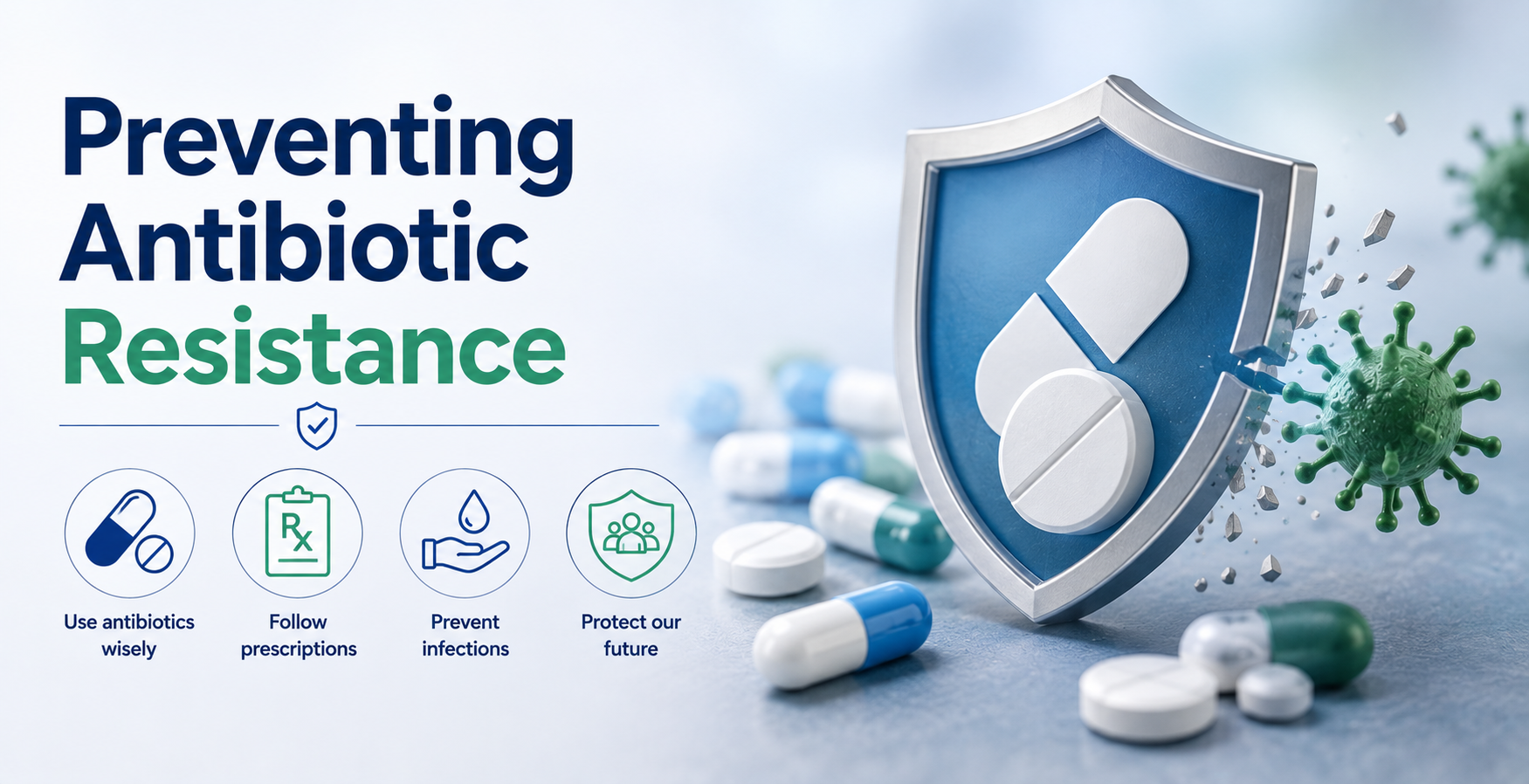
Antibiotics are among the greatest achievements in modern medicine. Since their widespread introduction in the twentieth century, these medications have saved millions of lives by treating bacterial infections that were once considered fatal. They have made complex surgeries safer, allowed cancer treatments to become more effective, and significantly reduced deaths from infectious diseases.
However, the remarkable success of antibiotics has also led to one of the biggest public health challenges of our time: antibiotic resistance.
Antibiotic resistance occurs when bacteria evolve and develop the ability to survive medications that once killed them. As resistant bacteria spread, common infections become more difficult to treat, illnesses last longer, healthcare costs increase, and the risk of severe complications rises. In some cases, infections caused by multidrug-resistant bacteria leave doctors with very limited treatment options.
The World Health Organization considers antimicrobial resistance one of the greatest threats to global health. Although scientists continue to develop new antibiotics, bacteria often adapt more quickly than new medicines can be produced. Preventing antibiotic resistance has therefore become a shared responsibility involving healthcare professionals, governments, hospitals, farmers, and the general public.
Understanding how resistance develops and learning how to use antibiotics responsibly are essential steps toward preserving these life-saving medicines for future generations.
What Is Antibiotic Resistance?
Antibiotic resistance does not mean that the human body becomes resistant to antibiotics. Instead, it is the bacteria themselves that change.
Bacteria are living organisms that constantly reproduce and mutate. Occasionally, random genetic changes allow certain bacteria to survive exposure to an antibiotic. While susceptible bacteria die, the resistant bacteria remain alive and continue multiplying. Over time, these resistant strains become more common.
Some bacteria can also exchange resistance genes with other bacteria, allowing resistance to spread rapidly between different species. This means that a resistant infection can emerge even in someone who has never taken antibiotics before.
Antibiotic resistance is a natural evolutionary process, but human activities have dramatically accelerated it.
Why Antibiotic Resistance Is a Serious Problem
Antibiotics transformed modern medicine by making once-deadly infections treatable. If these drugs lose their effectiveness, many routine medical procedures become significantly more dangerous.
Simple infections that were previously cured within days may require hospitalization, stronger intravenous medications, or prolonged treatment. Surgical procedures, organ transplantation, chemotherapy, and intensive care medicine all rely on effective antibiotics to prevent or treat infections.
Resistant infections are associated with longer hospital stays, increased healthcare costs, higher complication rates, and greater mortality. As resistance continues to spread worldwide, protecting the effectiveness of existing antibiotics has become increasingly important.
How Antibiotic Resistance Develops
Every time antibiotics are used, they place bacteria under selective pressure. Sensitive bacteria die, while those carrying resistance traits survive.
This process is accelerated when antibiotics are used unnecessarily or incorrectly. Taking antibiotics for viral illnesses such as the common cold or influenza exposes harmless bacteria to antibiotics without providing any medical benefit. These bacteria may then develop resistance that can later spread to disease-causing strains.
Stopping antibiotics too early may also contribute by allowing some bacteria to survive. Although modern treatment recommendations increasingly support shorter evidence-based courses for certain infections, patients should always follow the treatment plan recommended by their healthcare provider rather than deciding independently when to stop.
Repeated exposure to antibiotics, especially broad-spectrum agents, further increases opportunities for resistant bacteria to emerge.
Common Causes of Antibiotic Misuse
One of the most common misconceptions is that antibiotics treat every infection. In reality, antibiotics only work against bacteria. They have no effect on viruses.
Many respiratory illnesses—including the common cold, influenza, COVID-19, most sore throats, and many cases of bronchitis—are caused by viruses. Taking antibiotics for these illnesses offers no benefit while increasing the risk of resistance and unnecessary side effects.
Another problem is using leftover antibiotics from a previous illness or taking medication prescribed for someone else. Different bacterial infections require different antibiotics, doses, and treatment durations. Using the wrong medication may fail to treat the infection while encouraging resistant bacteria to develop.
Some people also pressure healthcare providers to prescribe antibiotics even when they are unlikely to help. Responsible prescribing involves determining whether an infection is bacterial before recommending antibiotic treatment whenever possible.
The Difference Between Viral and Bacterial Infections
Understanding the distinction between viral and bacterial infections helps explain why antibiotics are not always appropriate.
Viruses invade human cells and use them to reproduce. Because antibiotics target structures found only in bacteria, they cannot kill viruses.
Bacterial infections, on the other hand, involve independent microorganisms that antibiotics are specifically designed to attack.
Although symptoms may overlap, physicians use medical history, physical examination, laboratory testing, and sometimes imaging studies to determine whether antibiotics are necessary. In some cases, observation rather than immediate antibiotic treatment is the safest and most appropriate approach.
How You Can Help Prevent Antibiotic Resistance
Preventing antibiotic resistance begins with responsible antibiotic use.
Antibiotics should only be taken when prescribed by a qualified healthcare professional. They should never be shared with family members or saved for future illnesses, even if symptoms appear similar.
Following the prescribed dosage and schedule is equally important. Missing doses or changing the treatment plan without medical advice may reduce treatment effectiveness.
Patients should also avoid requesting antibiotics for illnesses that are likely viral. Trusting the healthcare provider’s clinical judgment helps reduce unnecessary antibiotic exposure.
Good hygiene also plays an important role. Regular handwashing, proper food preparation, vaccination, and infection prevention measures reduce the spread of bacteria and decrease the need for antibiotics in the first place.
The Role of Vaccination
Vaccines are one of the most effective tools for preventing antibiotic resistance.
By preventing bacterial infections such as pneumococcal disease and reducing viral illnesses that sometimes lead to secondary bacterial infections, vaccination decreases the number of people who require antibiotic treatment.
Annual influenza vaccination, childhood immunizations, pneumococcal vaccines, and other recommended vaccines indirectly help slow the development of antibiotic resistance by reducing overall antibiotic use.
Antibiotic Stewardship
Healthcare systems around the world have introduced antibiotic stewardship programs to improve prescribing practices.
These programs encourage physicians to prescribe antibiotics only when truly necessary, select the most appropriate medication, use the correct dose, and limit treatment duration to evidence-based recommendations.
Hospitals also monitor antibiotic resistance patterns, allowing clinicians to choose treatments that remain effective against local bacterial strains.
Stewardship programs have been shown to reduce unnecessary antibiotic use while maintaining excellent patient outcomes.
Antibiotic Resistance in Agriculture
Human medicine is only part of the picture.
Antibiotics have historically been used in agriculture to treat infections in animals and, in some regions, to promote growth or prevent disease in healthy livestock. Excessive use in agriculture can contribute to the development of resistant bacteria that spread through food, water, animals, and the environment.
Many countries have introduced stricter regulations limiting routine antibiotic use in farming while encouraging improved animal health practices.
Can Antibiotic Resistance Be Reversed?
Once resistance develops, it is difficult to eliminate completely. However, reducing unnecessary antibiotic use slows the spread of resistant bacteria and may allow susceptible strains to become more common again over time.
Researchers continue developing new antibiotics, rapid diagnostic tests, vaccines, bacteriophage therapy, and alternative treatments that may help combat resistant infections in the future.
Despite these advances, preserving the effectiveness of existing antibiotics remains the most practical and immediate strategy.
You should follow the treatment plan recommended by your healthcare provider. Some infections require completing the full prescribed course, while others may have shorter evidence-based treatment durations. Never stop or extend treatment without medical advice.
No. The common cold and influenza are caused by viruses, and antibiotics are only effective against bacterial infections.
Broad-spectrum antibiotics are medications that work against many different types of bacteria. While they can be lifesaving when necessary, they also affect beneficial bacteria and may increase the risk of developing resistance if used unnecessarily.
Yes. Anyone can develop or acquire a resistant bacterial infection, even individuals who rarely use antibiotics. Resistant bacteria can spread between people, healthcare settings, animals, food, and the environment.
Maintaining good hygiene, staying up to date with recommended vaccinations, practicing safe food handling, managing chronic health conditions, and seeking medical advice when symptoms persist can all help reduce the likelihood of bacterial infections.
Final Thoughts
Antibiotics remain one of the most valuable tools in modern healthcare, but their continued effectiveness depends on responsible use. Antibiotic resistance is not a distant problem affecting only hospitals or scientists—it has the potential to impact everyone by making common infections harder to treat. Each person can contribute to slowing resistance by using antibiotics only when necessary, following medical advice carefully, avoiding self-medication, and taking practical steps to prevent infections. Combined with responsible prescribing, ongoing research, vaccination, and public health efforts, these actions help protect one of medicine’s most important discoveries for future generations
